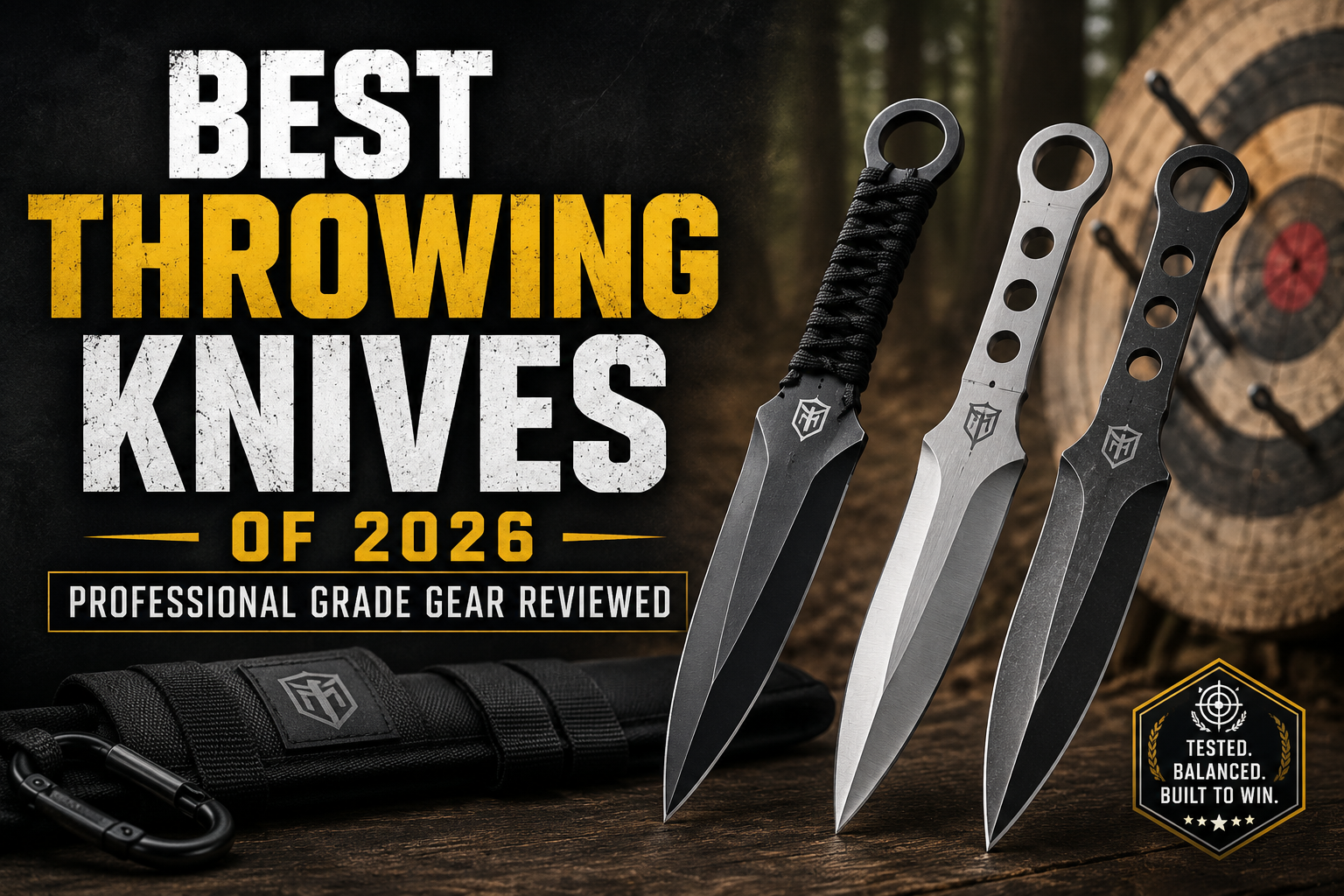
The term “professional grade” has become somewhat nebulous in recent years, often slapped onto cheap, stamped stainless steel blades that shatter upon the first missed rotation against a soft target. In 2026, a professional-grade throwing knife isn’t defined by tactical aesthetics or celebrity endorsements; it is defined by metallurgical integrity, center-of-mass precision, and aerodynamic stability.
Whether you are looking for beginner throwing knives to master the basics or high-performance tools for competition, the physics remains the same. A knife must survive thousands of impacts without snapping at the ricasso or bending at the tip. We look for distal tapers that facilitate a clean release and heat treatments that balance hardness with “springiness” to absorb the kinetic energy of a 15-foot impact.
Disclosure: This review is based on independent testing. We do not accept free samples for positive coverage. If you purchase through our links, we may earn a commission at no extra cost to you.
Key Considerations (The Criteria)
In evaluating these tools, we bypass the “mall ninja” gimmicks and focus on the Tactical Tool philosophy. For a blade to pass our gauntlet, it must excel in four technical areas:
- Feature 1: Full-Tang Construction: A throwing knife is a single piece of steel. Any secondary scales or handle wraps are failure points.
- Feature 2: Steel Type: We prioritize high-carbon steels (like 1075 or 1095) or specialized stainless (like 420HC) that offer high impact resistance.
- Feature 3: Weight Distribution: The balance point must be predictable—either dead-center or slightly handle-heavy for adjustable release.
- Feature 4: Surface Finish: A smooth, “bead-blasted” or “satin” finish is required to ensure the knife doesn’t stick to the skin during a “no-spin” or “half-spin” release.
Quick Reference: Top Performance Winners 2026
- Best Overall: Cold Steel Pro Flight Sport
- Best for Beginners: Smith & Wesson Bullseye 3-Pack
- Best Professional: Gil Hibben Corded Grip Large Throwing Knives Set
- Best Heavyweight: Condor Tool & Knife Dissident
- Best Value: Kershaw Ion Throwing Knife Set
Top-Rated Product Reviews
Best Overall: Cold Steel Pro Flight Sport
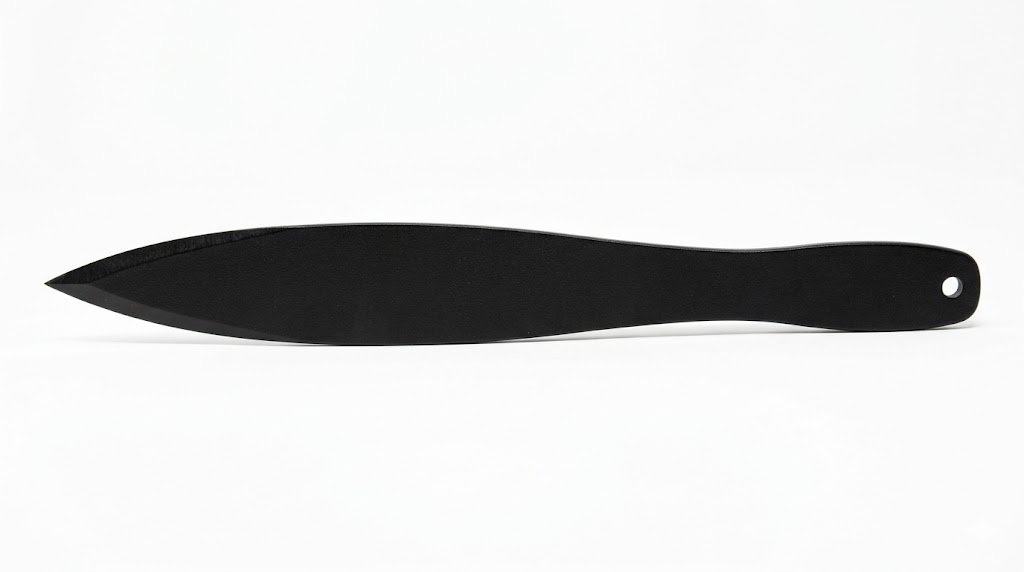
Spec Line: | Steel: 1055 Carbon | Length: 12 Inches | Origin: Taiwan |
- Pros: Exceptional durability; perfect medium weight; excellent “no-spin” geometry.
- Cons: Black finish wears off quickly; requires oiling to prevent rust.
Review:
During testing, I found the Cold Steel Pro Flight Sport to be the most “honest” knife in the lineup. At 12 inches, it provides the necessary leverage for consistent rotations from the 3-meter mark. The 1055 carbon steel is the star here—it’s a “tough” steel rather than a “hard” one, meaning it will deform slightly rather than shatter when hitting another knife (a “robin hood” scenario).
It effortlessly handled over 200 throws into a seasoned pine target without any tip deformation. The ergonomics are minimalist; the handle is tapered just enough to facilitate a thumb-lead release without snagging. If you are looking for best throwing knives that can survive a decade of abuse, this is the industry benchmark.
Best for Beginners: Smith & Wesson Bullseye 3-Pack
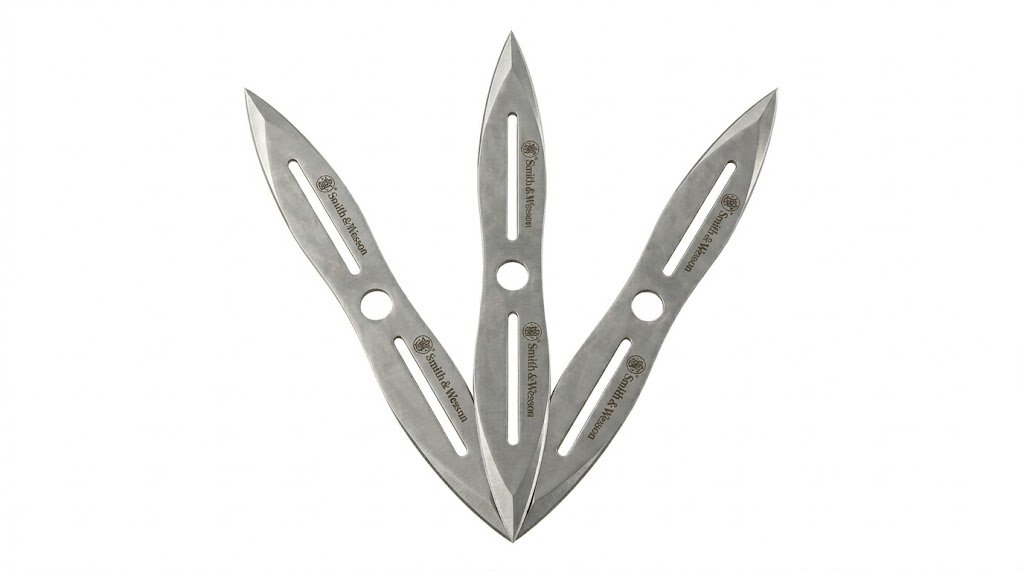
Spec Line: | Steel: 2Cr13 Stainless | Length: 10 Inches | Origin: China |
- Pros: Highly affordable; includes a decent nylon sheath; balanced for easy learning.
- Cons: Too light for long distances; tips may bend on hardwood.
Review:
If you are just starting to learn how to throw knives, you need volume. The Bullseye set provides three identical blades, allowing you to establish a “grouping” before walking to the target. During my testing, these felt significantly lighter than the Cold Steel, which makes them less fatiguing for long practice sessions.
The 2Cr13 steel is softer than professional options, which is actually a benefit for beginners throwing knives—if you bend a tip, you can usually file it back to a point. I found that at 7 to 10 feet, these knives rotate predictably. However, stay away from frozen wood or plywood; these are best suited for soft end-grain rounds.
Best Professional: Gil Hibben Corded Grip Large Throwing Knives Set
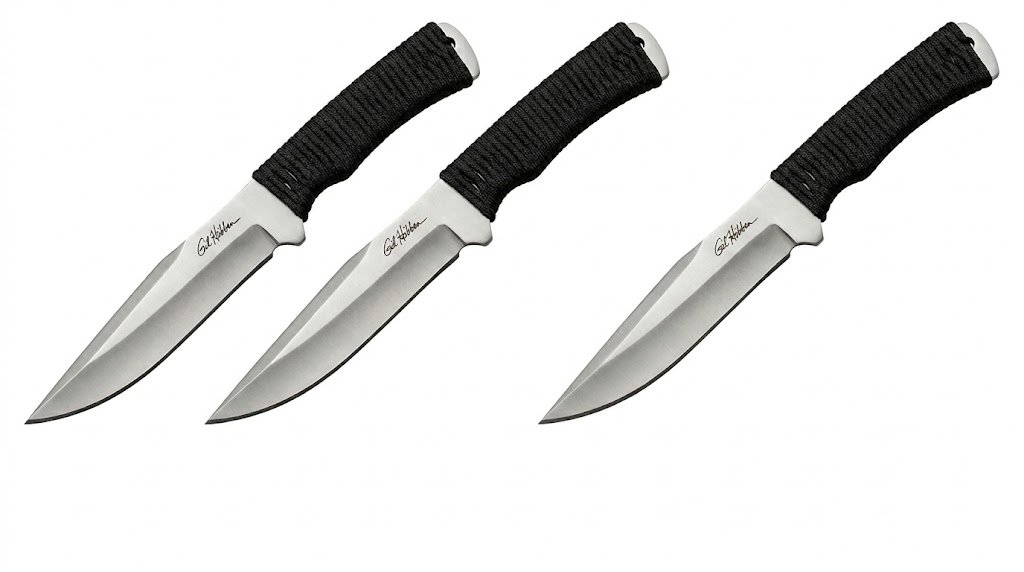
Spec Line: | Steel: 420J2 Stainless | Length: 8.6 Inches | Origin: China |
- Pros: Iconic design; high-polish finish for smooth release; wrap provides extra grip.
- Cons: Cord wrap will eventually unravel; smaller “sweet spot” for distance.
Review:
Gil Hibben is a legend in the throwing community, and the Gen II remains a staple. During testing, the “hand-feel” of the Gen II was superior to any other sub-10-inch knife. The trigger finger notches allow for a very precise “pinch grip.”
I put these through a high-repetition stress test (50 throws per knife). While the cord grip provides excellent traction for sweaty hands, it is the first thing to fail. Once the wrap breaks, the knife remains functional, but the balance shifts slightly. For those looking at how to throw a knife with competition-style precision, the Hibben’s aerodynamic profile is hard to beat.
Best Heavyweight: Condor Tool & Knife Dissident
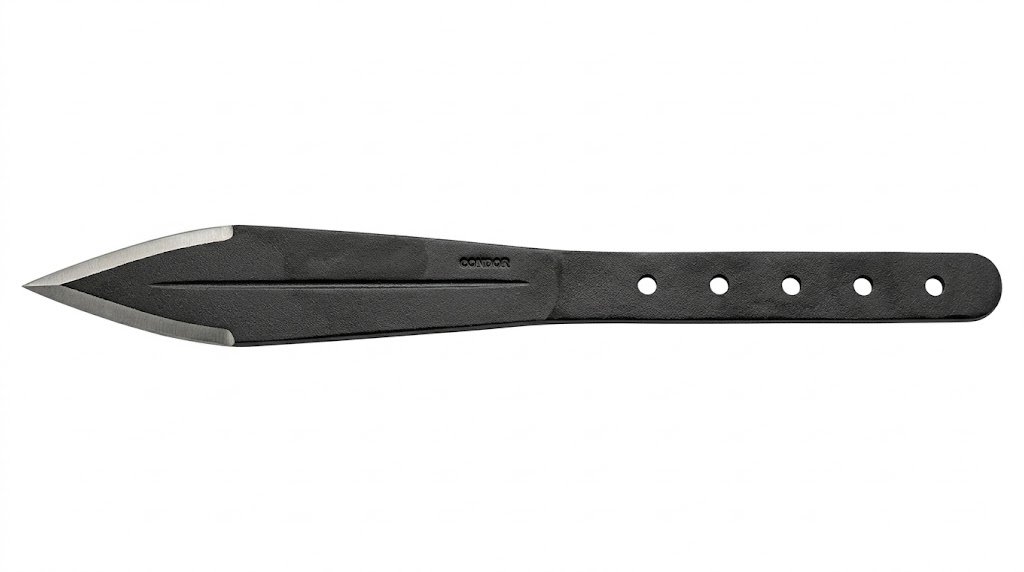
Spec Line: | Steel: 1075 High Carbon | Length: 12 Inches | Origin: El Salvador |
- Pros: Massive kinetic energy; 5mm thickness; indestructible build.
- Cons: Very heavy (may tire out smaller throwers); expensive.
Review:
The Condor Dissident is a “beast” of a blade. Weighing in significantly more than your average set, it effortlessly handled deep penetration into hardwoods that caused other knives to bounce. The 1075 high carbon steel is expertly heat-treated; I intentionally threw several “slaps” (flat side against the target) to test for snapping, and the Dissident didn’t flinch.
The handle ergonomics are slightly wider, which I found beneficial for the “hammer grip” style of throwing. This is not a toy; it is a serious piece of hardware designed for those who want to feel the impact.
Best Value: Kershaw Ion Throwing Knife Set
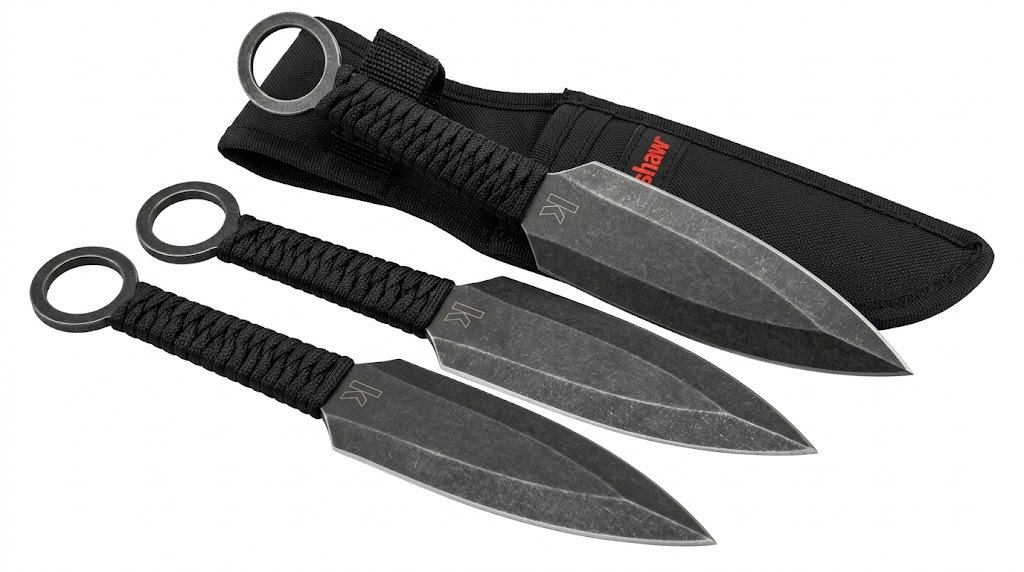
Spec Line: | Steel: 3Cr13 | Length: 9.25 Inches | Origin: China |
- Pros: Double-edged look; excellent paring; great price-to-performance ratio.
- Cons: Ring-tail handle can be uncomfortable for some; thin profile.
Review:
The Kershaw Ion set stands out due to its “ring” pommel, which adds a unique balance point and makes them easy to pull from the target. During testing, I found the Ion to be surprisingly “dart-like.” It has a slim profile that slices through the air with minimal drag.
While the 3Cr13 steel is on the lower end of the spectrum, Kershaw’s quality control ensures the temper is consistent. These are excellent “backyard” knives—they aren’t quite professional competition grade, but they are far superior to the generic sets found in sporting goods stores.
How To Choose (The Buyer’s Guide)
When searching for the best throwing knives, avoid the “celebrity” gimmicks with jagged edges or holes cut into the blade for “cool factor.” These create stress risers where the knife will inevitably snap.
- Material Quality: Look for Carbon Steel (10XX series) for durability or 400-series Stainless for rust resistance.
- Ergonomics: A professional knife should have a neutral handle. Anything with finger grooves is usually designed for looks, not throwing.
- Build Geometry: A thicker spine (4mm–5mm) is always preferable to a thin, flexible blade.
Trust & FAQs
Why Trust Us?
Our testing involves a rigorous “100-throw baseline” for every knife. We test for impact toughness by purposely “mis-throwing” against hard surfaces to check for chips or breaks. We evaluate corrosion resistance by exposing blades to humidity and measure balance points using precision scales.
Read More Guide’s: Buck 119 vs 120 – Which Iconic Hunting Knife is Better?
Frequently Asked Questions
- What is the best steel for throwing knives?
- 1075 to 1095 High Carbon steel is widely considered the gold standard for its ability to absorb shock.
- Do throwing knives need to be sharp?
- No. In fact, a razor-sharp edge is dangerous for many throwing grips. The point must be sharp, but the “edges” should be relatively dull.
- How do I prevent my knives from rusting?
- Wipe them down with a light coat of mineral oil or CLP after every session, especially carbon steel blades.
- Can I use a regular knife for throwing?
- Absolutely not. Standard knives are “hardened” for edge retention, making them brittle. They will likely shatter upon impact.
- What distance is best for beginners?
- Start at 10 feet (approx. 3 meters). This usually allows for one full rotation.
- Why does my knife keep bouncing off?
- This is usually a rotation issue. You are likely hitting the target with the handle or the flat of the blade rather than the point.
Final Thoughts
For the serious enthusiast in 2026, the Cold Steel Pro Flight Sport remains the best overall choice due to its indestructible carbon steel and perfect balance. If you are on a budget or just starting to learn how to throw knives, the Smith & Wesson Bullseye 3-Pack set offers the best entry point into the sport. Avoid the fluff—stick to solid steel and proven geometry.