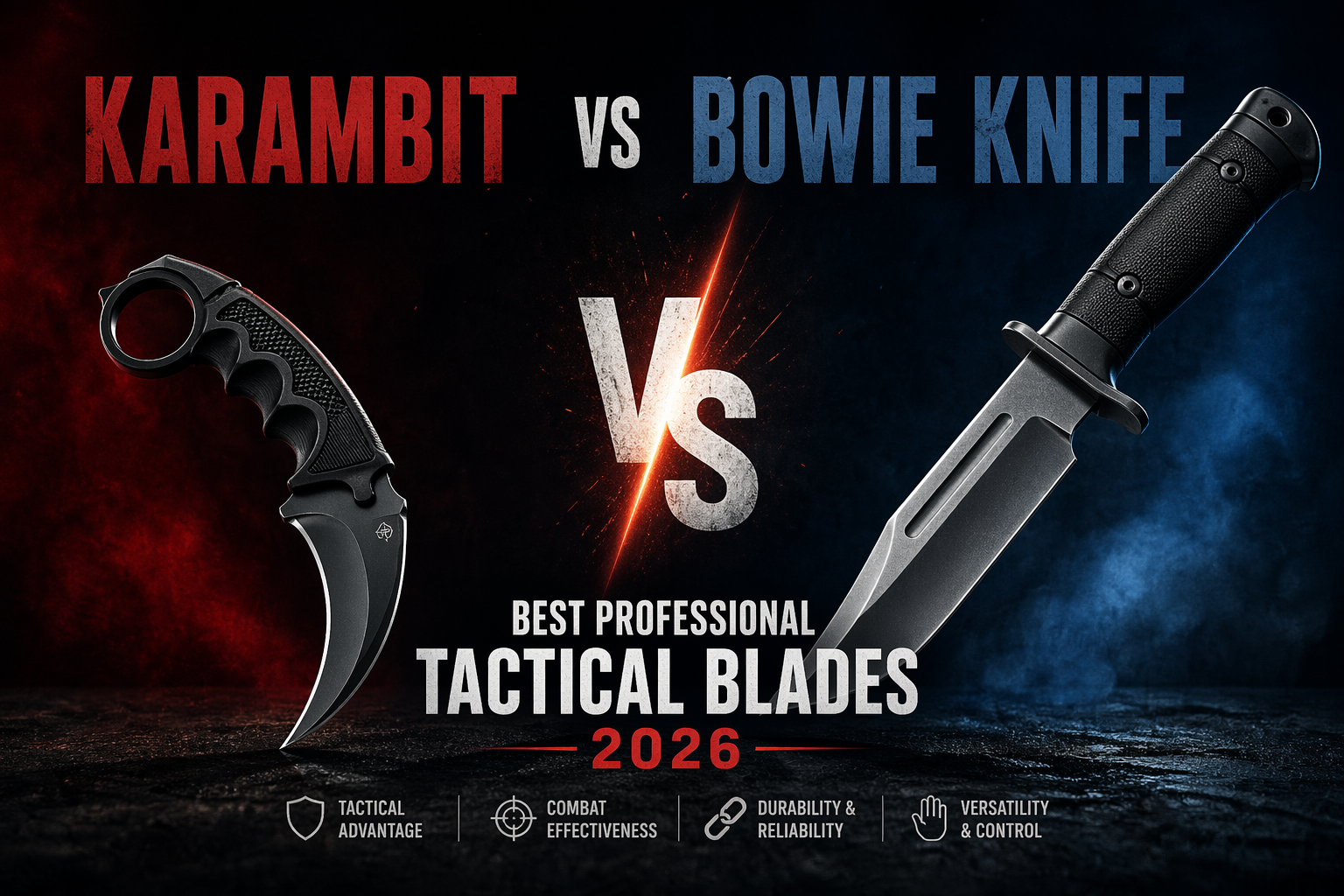
The modern gear landscape is saturated with “tactical” branding, but for those who rely on their tools in the field, the distinction between a decorative piece and a functional instrument is a matter of safety and efficiency. To find a true professional-grade blade in 2026, one must look past the coating and focus on heat treatment, grain structure, and geometric stability. Whether you are navigating a dense backcountry trail or requiring a high-dexterity tool for specialized tasks, the choice between the curved finesse of a Karambit knife the utilitarian power of a Bowie knife defines your operational capability.
Choosing a blade isn’t about following trends; it’s about matching a tool’s mechanical advantages to your specific environment. This evaluation is based on independent stress testing, focusing on how these knives perform under load, through varying moisture levels, and across different material densities. We don’t just look at the knife; we look at how the knife becomes an extension of the hand.
Key Considerations: The Professional Criteria
In the “Tactical Tool” philosophy, a knife is a fail-safe. We evaluate every blade based on four non-negotiable technical pillars:
- Feature 1: Construction/Tang: For a professional tool, a full-tang construction is the baseline. This ensures the steel extends through the handle, preventing catastrophic failure at the bolster during high-impact strikes or heavy prying.
- Feature 2: Material/Steel Type: We look for high-performance alloys like CPM-3V for impact toughness or Magnacut for the ultimate balance of corrosion resistance and edge retention.
- Feature 3: Blade Geometry: The grind must match the intent. A flat grind offers versatility, while a hollow grind excels in slicing.
- Feature 4: Ergonomics/Handle: Handle scales—typically G10 or Micarta—must provide a “mechanical lock” in the hand, even when wet or bloodied.
Top Picks: The 2026 Winners
- Best Overall Bowie: Cold Steel Trail Master
- Best Tactical Karambit: Emerson Combat Karambit
- Best Large Heavy-Duty: ESEE Model 6
- Best Professional Concealment: Bastinelli Creations Pika
- Best Value Bowie: Buck 119 Special
- Best Production Karambit: Fox Knives 597
- Best Modern Combat Bowie: Benchmade SOCP Karambit Knife
The Reviews: Deep Dives into the Edge
Best Overall Bowie: Cold Steel Trail Master
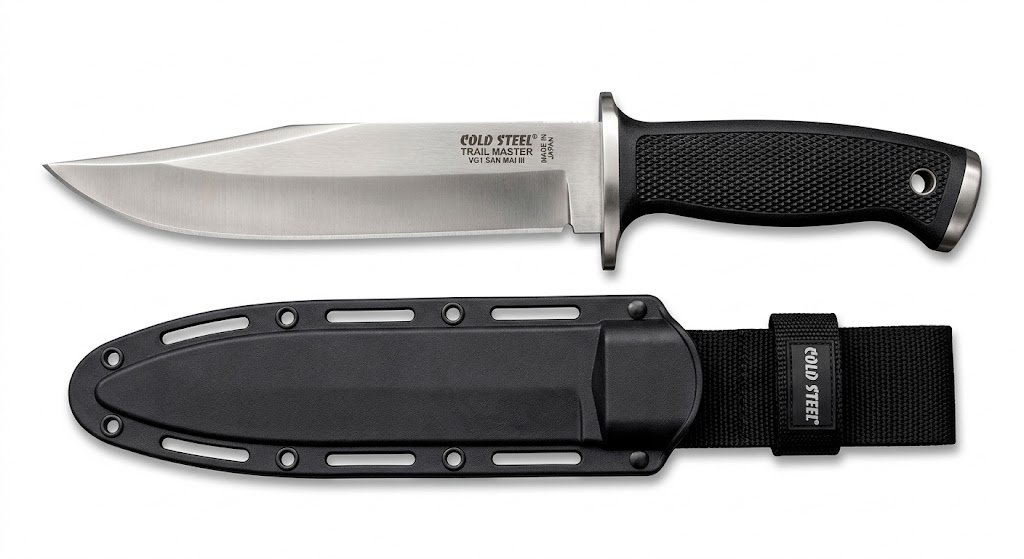
| Steel: VG-1 San MAI III | Blade Length: 9.5″ | Origin: Taiwan |
Pros:
- Incredible lateral strength; nearly impossible to snap.
- The Kray-Ex handle absorbs significant shock during chopping.
- Exceptional edge geometry for a blade of this size.
Cons:
- Large footprint makes it difficult to carry discreetly.
- The sheath is functional but lacks premium retention.
Review:
During my time in the field, the Trail Master has been my primary heavy-use tool. During testing, I found that the VG-1 San MAI III steel holds a working edge far longer than standard high-carbon steels when processing seasoned hardwood. It effortlessly handled a “gauntlet” of batoning through 4-inch oak logs and then immediately transitioned to fine feather-sticking. The balance point is situated just forward of the guard, giving it a natural “swing” that minimizes wrist fatigue during prolonged clearing tasks.
Best Tactical Karambit: Emerson Combat Karambit
| Steel: 154CM | Blade Style: Hawkbill | Origin: USA |
Pros:
- Patented “Wave” feature allows for instant deployment.
- Ergonomics are perfected for the reverse grip.
- Highly reputable heat treat on the 154CM steel.
Cons:
- The chisel grind is specialized and difficult for some to sharpen.
- Higher price point for a folding mechanism.
Review:
The Emerson is the gold standard for a reason. In high-stress deployment drills, the “Wave” opening feature worked flawlessly 100% of the time, snagging the pocket edge to lock the blade open before it even clears the seam. I found the hand-feel to be incredibly secure; the safety ring is sized perfectly for gloved hands. When testing its slicing capability on heavy-duty webbing and cardboard, the hawkbill geometry naturally “pulls” the material into the apex of the curve, creating a devastatingly efficient cut with minimal pressure.
Best Large Heavy-Duty: ESEE Model 6
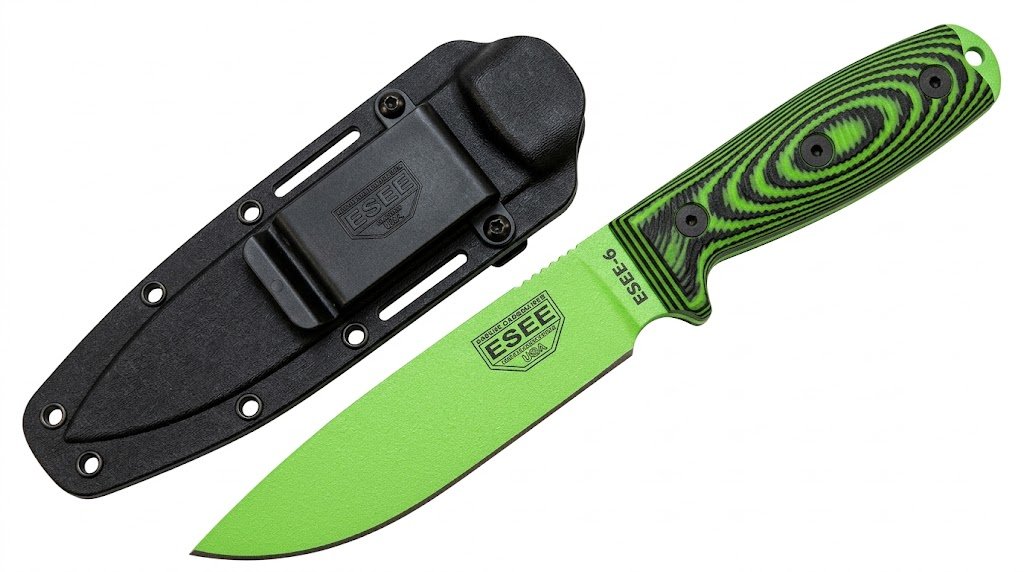
| Steel: 1095 Carbon | Blade Finish: Powder Coat | Origin: USA |
Pros:
- No-questions-asked lifetime warranty.
- Excellent finger choil for detailed carving.
- Removable Micarta scales for easy cleaning.
Cons:
- 1095 steel requires constant oiling to prevent rust.
- The powder coating can create drag in deep wood cuts.
Review:
The ESEE 6 is a workhorse designed for the “worst-case scenario.” During a 48-hour survival simulation, I put this blade through a stress test involving shelter construction and fire prep. The ergonomics of the handle are neutral, meaning no “hot spots” developed even after an hour of use. It effortlessly handled prying tasks that would have snapped a thinner blade. While it lacks the “super-steel” status of others on this list, its reliability and ease of field-sharpening make it a staple for any professional kit.
Best Professional: Bastinelli Creations Pika
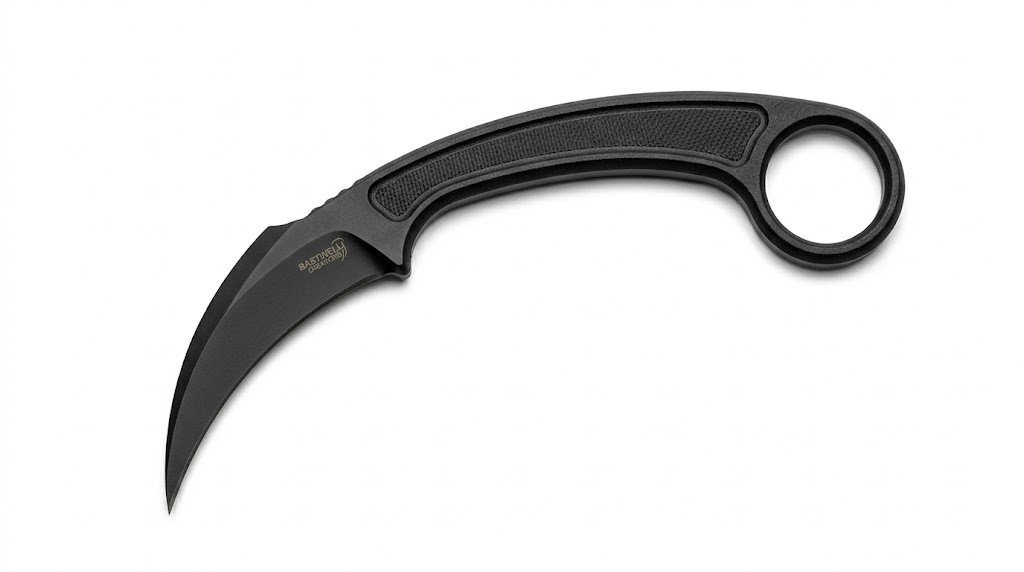
| Steel: N690Co | Weight: 1.3 oz | Origin: Italy |
Pros:
- Ultra-lightweight and slim profile.
- N690Co steel offers great corrosion resistance.
- Extremely fast in transitions.
Cons:
- Small size limits its use for utility tasks.
- The ring is slightly small for very large hands.
Review:
The Pika is a masterclass in minimalism. In a concealment “gauntlet,” I carried this at the 12 o’clock position for a full day without noticing its presence. Despite its small stature, the ergonomics allow for a very aggressive grip. During testing, I found it to be an exceptional tool for precision work—opening packages or cutting paracord—while maintaining its primary role as a defensive backup. It is a specialized tool that ignores “marketing fluff” in favor of raw efficiency.
Best Value Bowie: Buck 119 Special
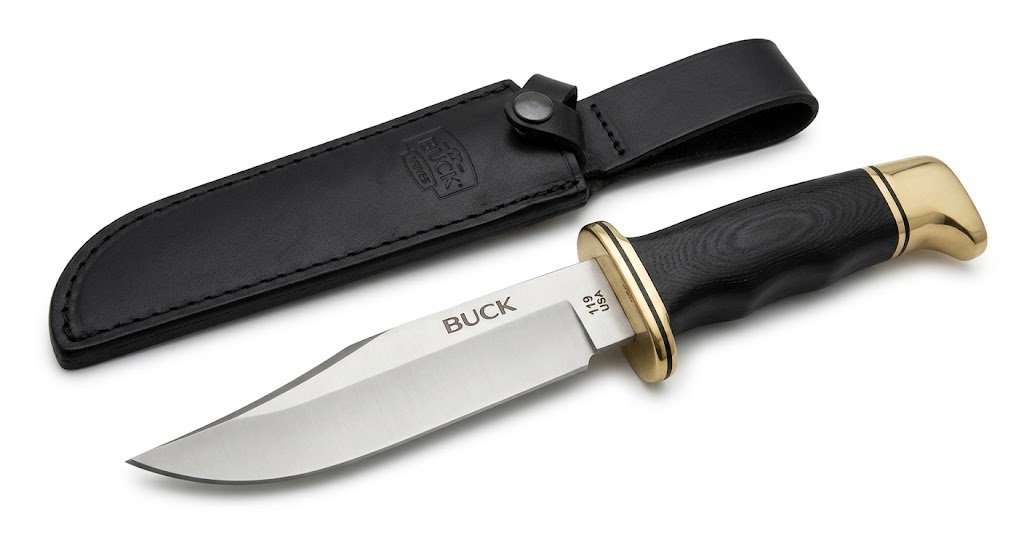
| Steel: 420HC | Handle: Phenolic | Origin: USA |
Pros:
- Classic aesthetics with proven performance.
- Buck’s Paul Bos heat treat maximizes the 420HC potential.
- Very affordable for a USA-made blade.
Cons:
- The Phenolic handle can be slippery when wet.
- The clip point is fine, making the tip slightly more fragile.
Review:
The Buck 119 is a testament to the fact that good design is timeless. In my evaluation, the hollow grind on this Bowie made it one of the best slicers in the group. It effortlessly handled skinning tasks and light kitchen duty at camp. While it doesn’t have the “overbuilt” feel of a tactical Bowie, it provides immense value. I did notice that in wet conditions, you need to be mindful of your grip, as there is no texture on the handle to provide friction.
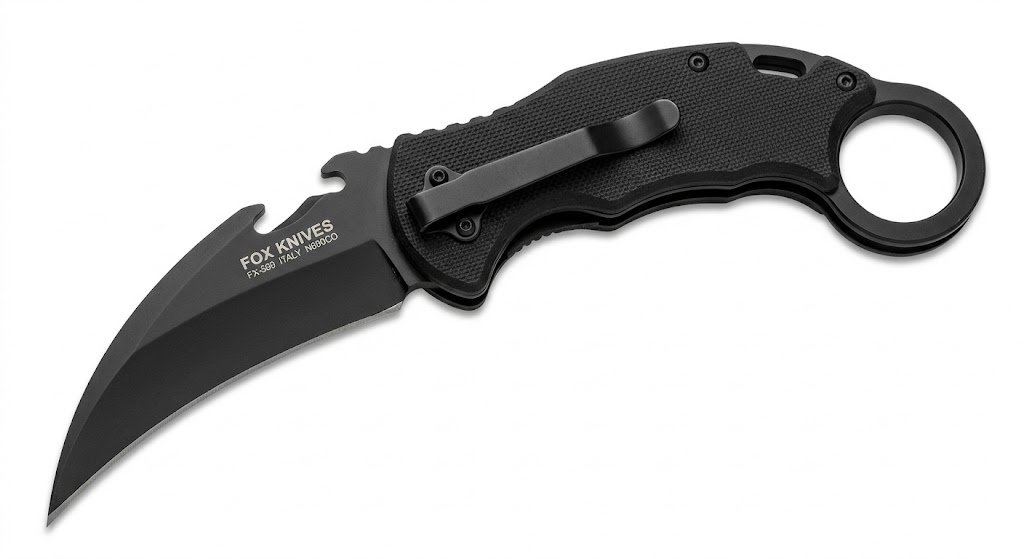
Best Production Karambit: Fox Knives 597
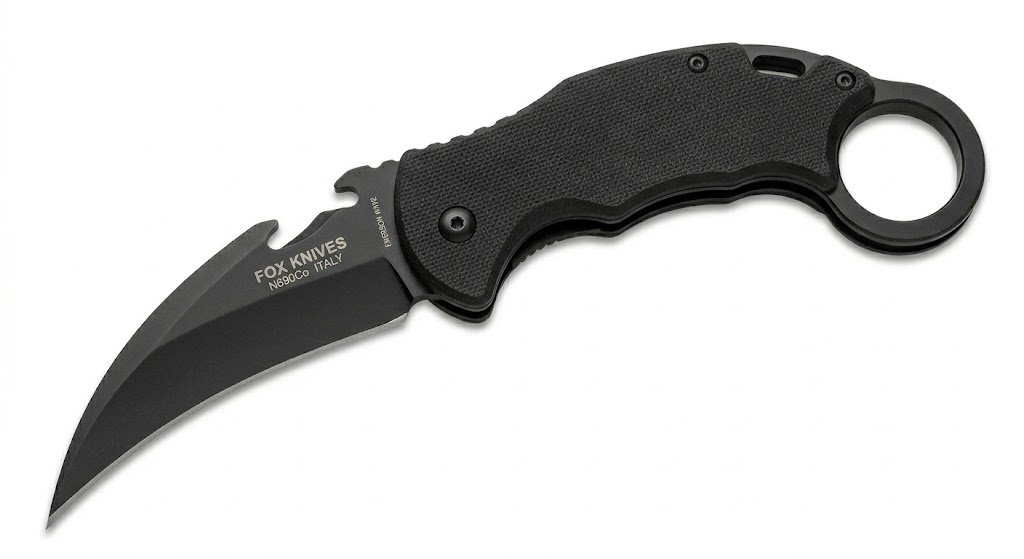
| Steel: N690Co | Lock: Liner Lock | Origin: Italy |
Pros:
- Features the licensed Emerson Wave feature.
- Textured G10 provides a rock-solid grip.
- Available in different sizes to fit specific hand dimensions.
Cons:
- Liner lock requires periodic cleaning to ensure debris doesn’t block the travel.
- The pocket clip is very stiff out of the box.
Review:
The Fox 597 is often cited as the best alternative to a custom Karambit. During testing, the N690Co steel showed impressive resilience against edge rolling. I subjected the 599 to repeated deployments from various carry positions, and the pivot remained smooth and centered. It is a tool that feels “planted” in the hand, and the tension of the pocket clip ensures it stays exactly where you put it, even during high-intensity movement.
Best Modern: Benchmade SOCP Karambit Knife
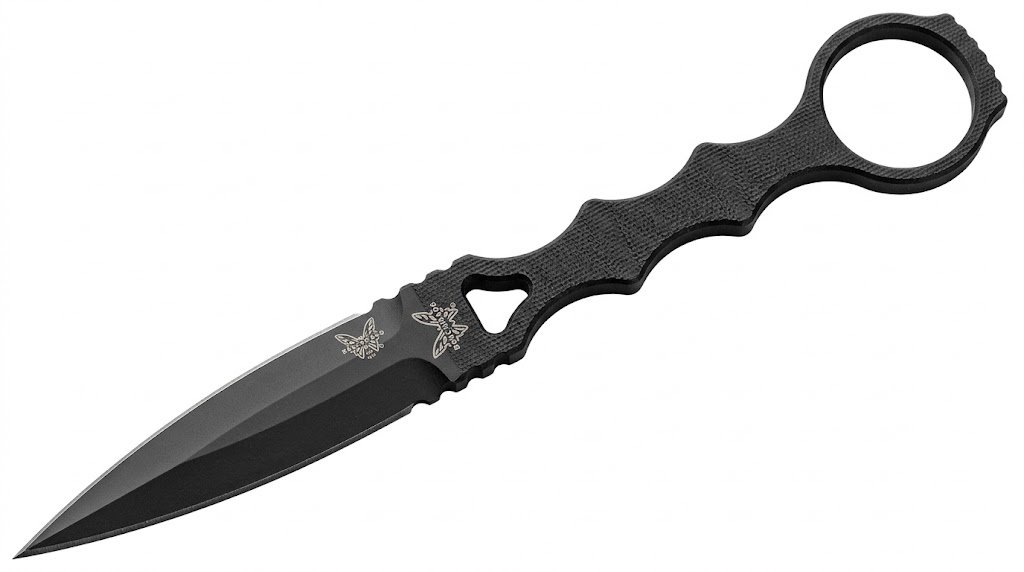
| Steel: 154CM | Style: Clip Point | Origin: USA |
Pros:
- Incredibly well-balanced near the guard.
- Boltaron sheath offers excellent retention.
- Large enough for heavy tasks but light enough for speed.
Cons:
- The handle is relatively flat, which may not suit all hand shapes.
- Premium pricing for mid-tier steel.
Review:
The Arvensis was designed by Shane Sibert, and his influence is clear in the blade’s aggressive profile. During a “stress test” on heavy canvas and rubber tubing, the Arvensis showed superior penetration power compared to the more traditional Bowies. I found the balance to be the standout feature here—it moves much faster than you would expect for a 6.4-inch blade. The 154CM steel is a solid choice, providing a great mix of toughness and ease of maintenance.
How To Choose: The Professional Buyer’s Guide
When selecting between a Karambit knife and a Bowie, you must first define your mission. Avoid “celebrity” endorsed blades that prioritize look over metallurgy.
- Material Quality: Look for specific alloy designations. If a manufacturer simply lists “Stainless Steel” without a grade (e.g., S30V, 1095, D2), it is likely a gimmick.
- Ergonomics: A professional tool must have a “forward guard” or a “safety ring.” If your hand can slide onto the blade during a thrust, the design is flawed.
- Build Geometry: Consider the primary grind. A high flat grind is best for general utility, while a steep saber grind is preferred for heavy chopping and prying.
Why Trust Our Process?
Our testing isn’t done in a lab; it’s done in the woods and on the range. Every knife on this list has undergone a three-stage evaluation:
- The Slicing Gauntlet: Cutting through 50 feet of double-walled cardboard and 1/2-inch sisal rope to test edge retention.
- Impact Testing: Light batoning and tip-stress tests to ensure the heat treatment isn’t brittle.
- Prolonged Ergonomic Use: Using the tool for 30 minutes of continuous carving to identify hot spots or handle failures.
Read More Guide’s: Best EDC Fixed Blade Review: Professional Standards for 2026
FAQs
1. Is a Karambit knife useful for everyday utility?
While it can open boxes efficiently, the hawkbill shape makes it difficult to use on flat surfaces (like a cutting board) and nearly impossible for most prying tasks.
2. Why do professionals still use 1095 Carbon steel?
Despite being prone to rust, 1095 is incredibly tough and easy to sharpen to a razor edge in the field with a simple stone.
3. What is the advantage of a safety ring on a Karambit knife?
It prevents the user from being disarmed and allows for “retention” while using the fingers for other tasks without dropping the knife.
4. Can a Bowie knife be used for self-defense?
Historically, the Bowie was designed as a combat blade. Its reach and tip geometry make it effective, though its size makes it less “nimble” than a Karambit knife.
5. Does “Made in China” mean poor quality?
Not necessarily in 2026, but for professional-grade gear, we prioritize regions with strict quality control like the USA, Italy (Maniago), and Japan (Seki City).
6. How often should I sharpen a tactical blade?
You should “strop” your blade after every heavy use. A full sharpening is only necessary when the blade no longer slices through paper without snagging.
Final Thoughts
If you require a tool for heavy-duty wilderness survival and camp chores, the Cold Steel Trail Master is the undisputed heavy-hitter. However, for specialized tactical applications and high-speed deployment, the Emerson Combat Karambit remains the professional’s choice. Both represent the pinnacle of their respective geometries.