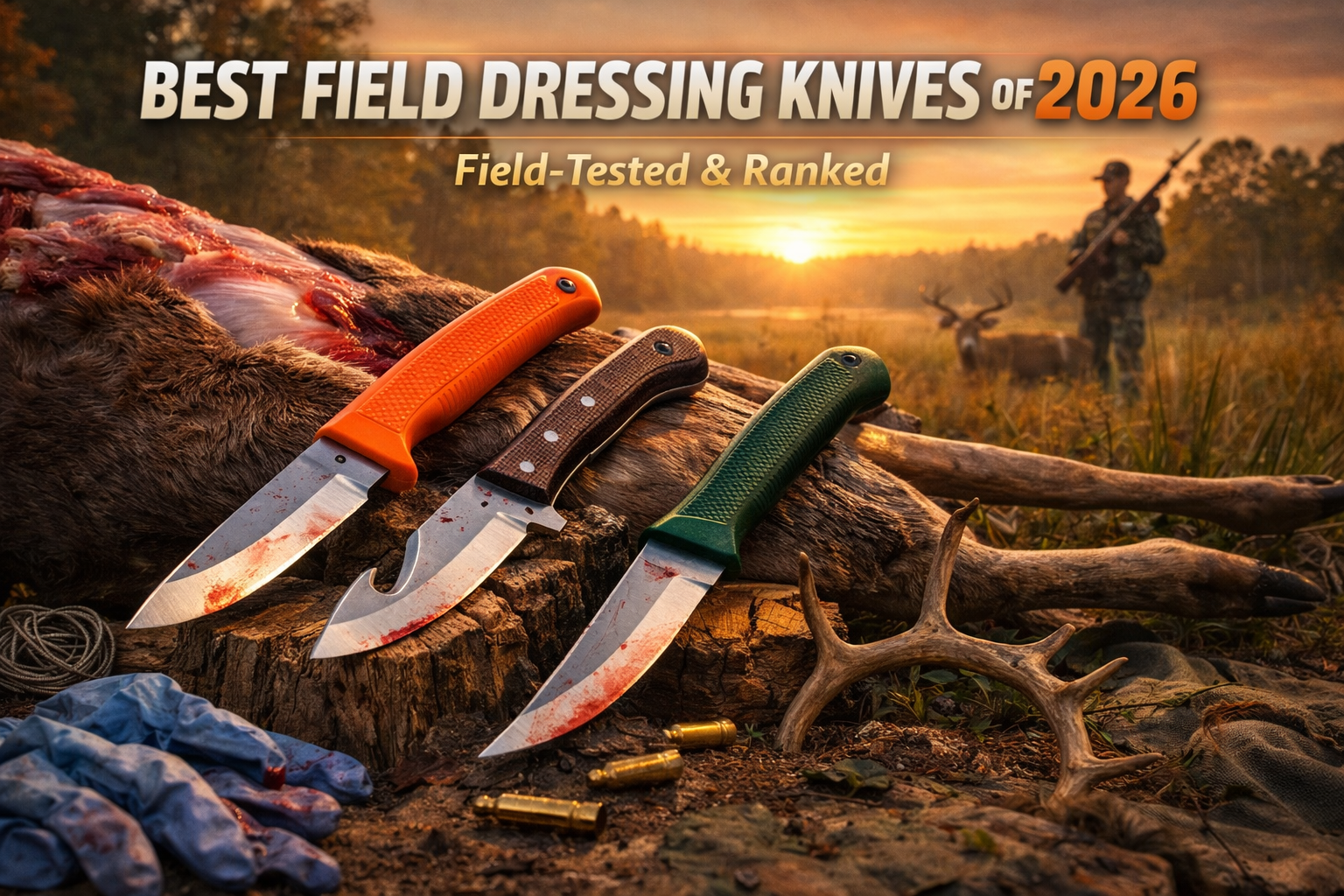
A field dressing knife is a purpose-built hunting tool designed for safely and efficiently processing game in the field. Most hunters prefer a 3.5 to 5-inch fixed blade with a drop-point design, which provides a strong tip for precision cuts and enough curve for smooth skinning. High-quality steel is essential because strong edge retention allows the knife to stay sharp through hide and muscle without constant sharpening. A dull blade requires extra force, increasing fatigue and the risk of slipping—especially during delicate cavity work.
Handle design is just as important as blade quality. Field conditions often involve wet, cold, or slippery hands, so textured materials like G-10, micarta, or rubberized grips offer better control than smooth finishes. A well-balanced knife reduces strain during longer breakdown sessions, while a secure grip improves safety and accuracy. Proper cleaning and maintenance after each use also prevent corrosion and ensure long-term durability. When chosen carefully, a reliable field dressing knife enhances efficiency, protects meat quality, and serves as one of the most essential tools in a hunter’s kit.
Top Picks Comparison
| Product | Steel Type | Handle Material | Price Category | Best For |
| Benchmade Saddle Mountain | CPM-S30V | G10 / Richlite | Premium | Professional Guides |
| Buck 112 Ranger Skinner | 420HC | Ebony / Brass | Mid-Range | Traditionalists |
| Havalon Piranta-Edge | Replaceable | ABS Plastic | Budget-Friendly | Weight-Conscious |
| Gerber Randy Newberg | 440C | Dual-Mold Grip | Mid-Range | Large Game / Elk |
| ESEE Ashley Game Knife | CPM-S35VN | Micarta | Premium | Hard-Use / Survival |
In-Depth Reviews
1. The Elite Slicer: Spyderco Moran Upswept Gray Fixed Blade Knife
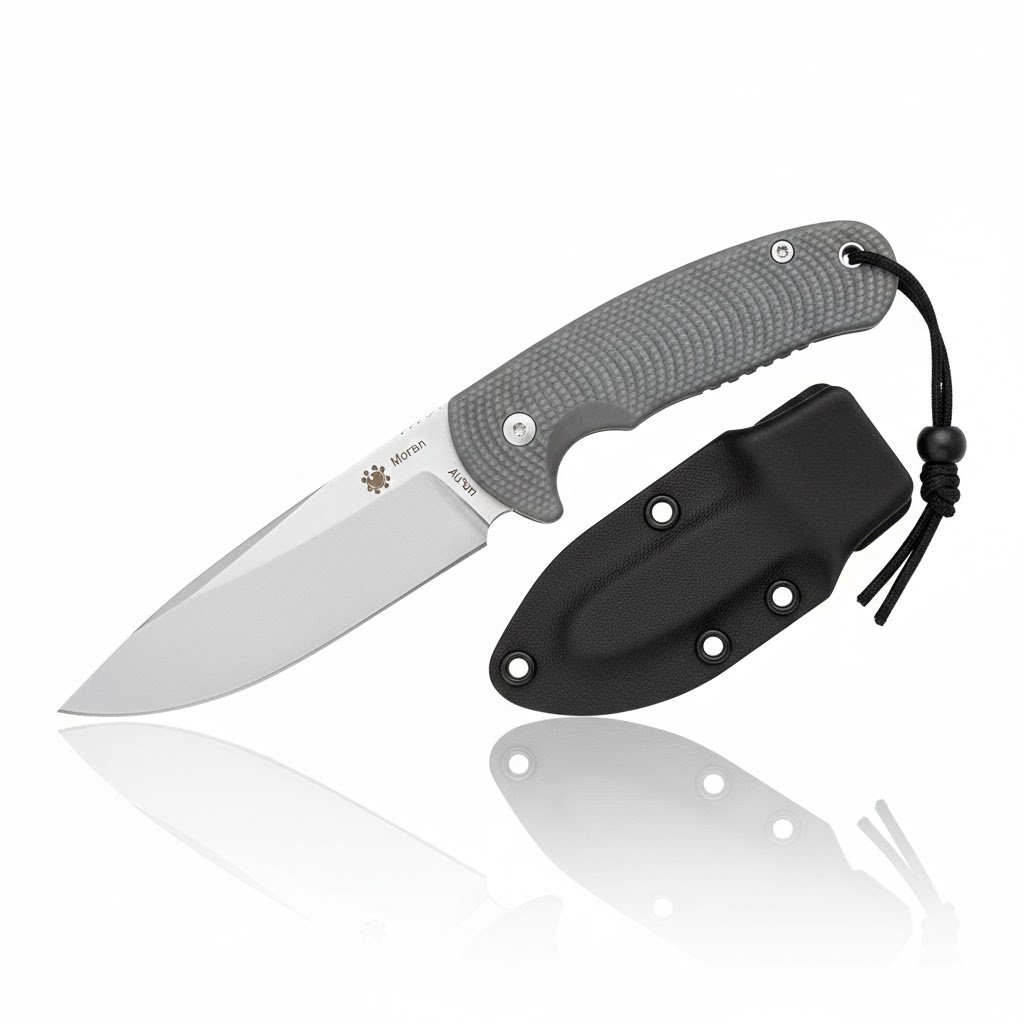
For hunters who demand precision, edge performance, and refined control during field dressing, the Spyderco Moran Upswept Gray stands out as a top‑tier choice.
- Key Specs:
- Blade Material: Damasteel DS93X (exceptional premium steel)
- Edge Type: PlainEdge
- Handle: FRN/Kraton combination for secure grip
- Knife Type: Fixed blade
- Pros: Extraordinary edge retention and corrosion resistance; extremely smooth slicing performance; balanced and lightweight feel.
- Cons: Premium steel means it’s more expensive than basic field knives.
- Hands-on Note: The upswept blade shape makes caping, skinning, and precise cuts feel almost effortless. The handle’s FRN (fiberglass reinforced nylon) blended with Kraton rubber gives excellent traction in wet, greasy conditions—crucial when working deep inside a chest cavity or around joints. This knife doesn’t just cut—it transitions through muscle and connective tissue with surgical confidence.
- Who it’s best for: Hunters who want elite‑level edge performance and smooth slicing without constantly stopping to sharpen. It’s ideal for those who regularly process wild game and appreciate a blade that feels as refined as it performs. in the field.
- Real‑World Consideration: Because of its premium materials and specialized design, it shines best as a dedicated field dressing knife. Many users pair it with a sturdy belt sheath and carry it as part of a complete big‑game processing kit to maximize both precision and convenience.
2. The Replaceable King: Havalon Piranta-Edge
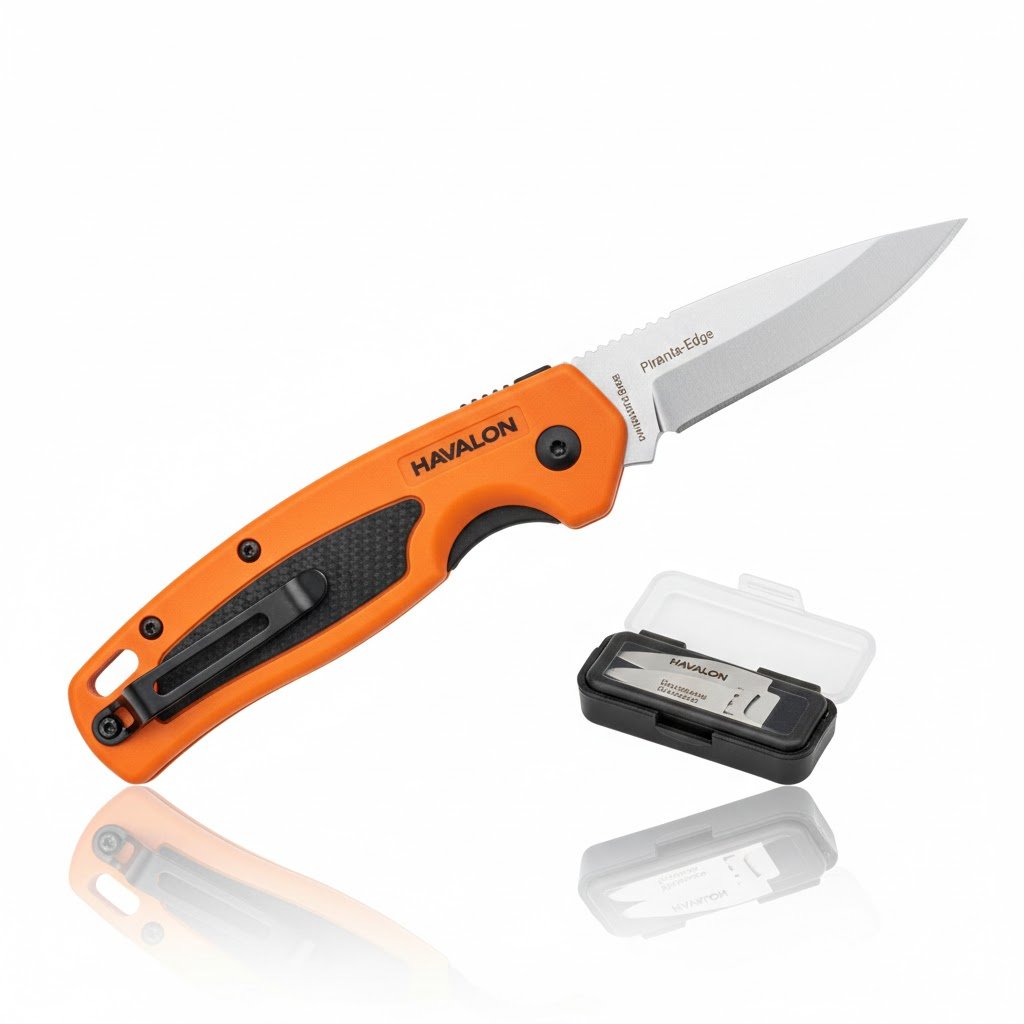
If you lack the patience for stones and strops, the Havalon is the industry standard. It’s essentially a folding scalpel. When it gets dull, you just click in a new blade.
- Key Specs:
- Blade Length: 2.75 inches
- Steel: Stainless Steel (Replaceable)
- Weight: 3 oz
- Handle: Rugged ABS
- Pros: Always “scary sharp”; incredibly lightweight.
- Cons: The blades are brittle; if you try to pry a joint, they will snap.
- Hands-on Note: The liner lock is stiff. You really have to pay attention when closing this with bloody hands to avoid a trip to the ER.
- Who it’s best for: Backcountry hunters counting every ounce. Real-World Drawback: Swapping the blades requires a pair of pliers or extreme caution; it’s very easy to cut yourself during the changeover.
3. The Modern Classic: Buck 112 Ranger Skinner
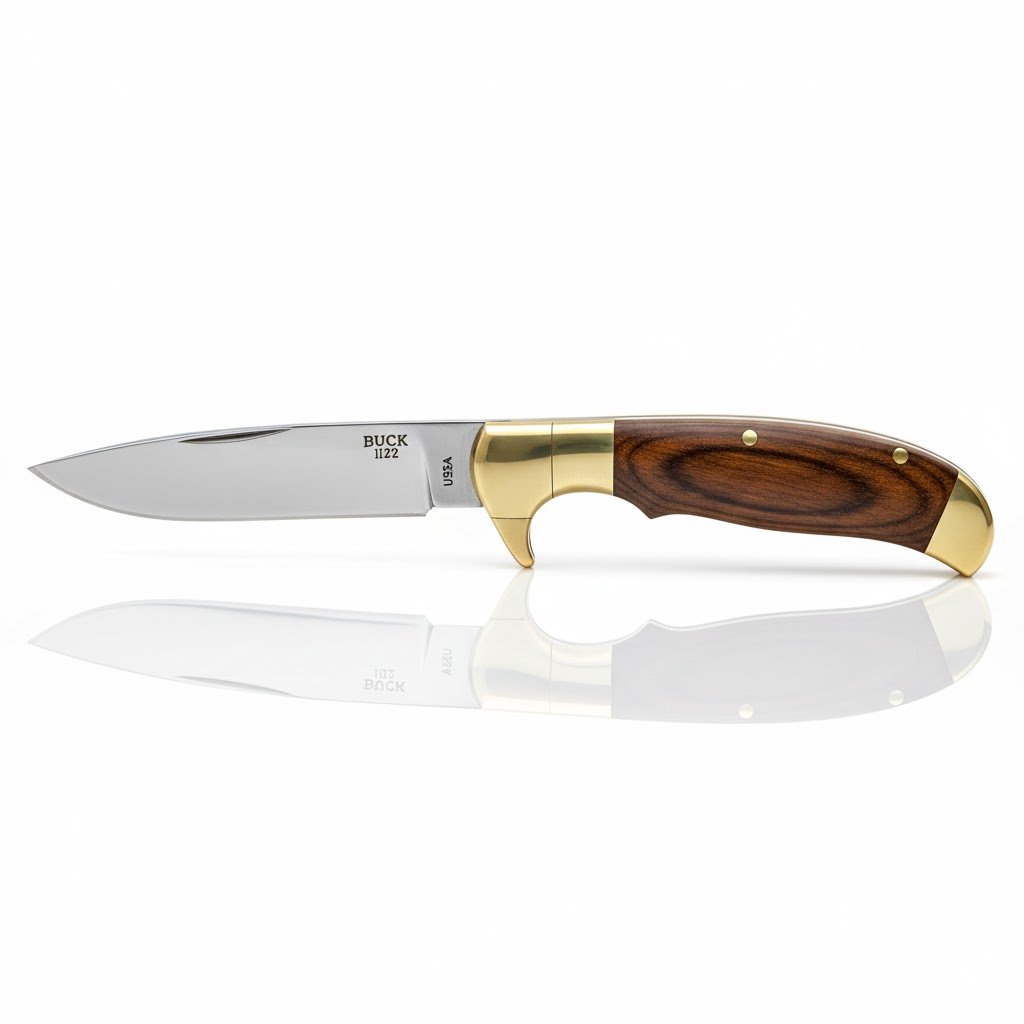
The 113 is a refined version of the classic Buck 110, stripped down into a fixed-blade format. It’s short, maneuverable, and gets into tight spaces easily.
- Key Specs:
- Blade Length: 3.125 inches
- Steel: 420HC
- Handle: Crelicam Genuine Ebony
- Weight: 5.2 oz
- Pros: Highly corrosion resistant; very easy to sharpen in the field.
- Cons: The handle is a bit short for those with XL glove sizes.
- Hands-on Note: The brass guard is a nice touch, but it tarnishes almost immediately after exposure to blood and needs constant polishing if you care about looks.
- Who it’s best for: The deer hunter who appreciates a traditional feel. Real-World Drawback: The polished wood handle becomes exceptionally slippery when wet or bloody.
4. The Ergonomic Specialist: Gerber Randy Newberg DTS
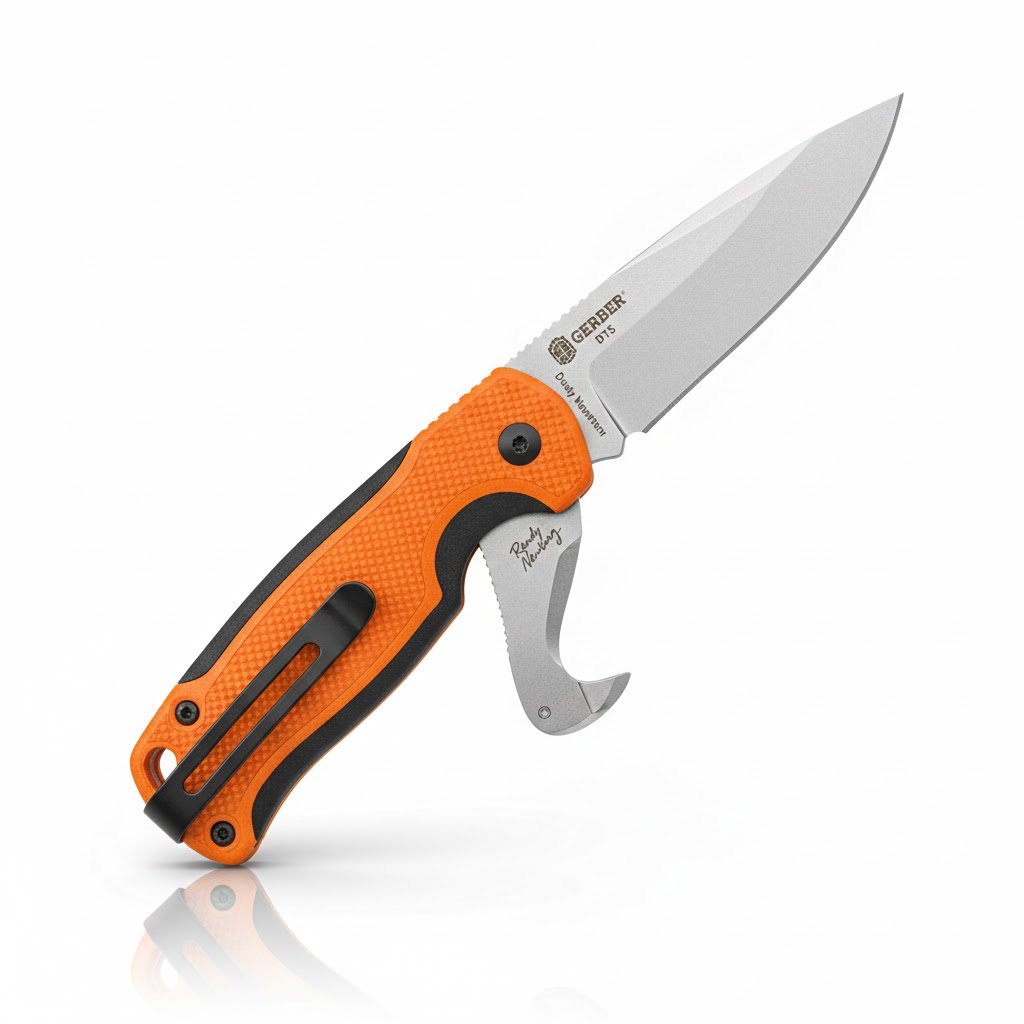
Designed specifically for the “gutless method,” this knife features a secondary serrated blade meant for cutting through tough tendons and cartilage, saving your primary edge for the meat.
- Key Specs:
- Blade Steel: 440C
- Secondary Blade: D2 Steel
- Handle: Over-molded grip
- Weight: 3.9 oz
- Pros: Dual-blade functionality; barrel-pivot design for easy cleaning.
- Cons: The folding mechanism can trap hair and grit, requiring a deep soak after use.
- Hands-on Note: The “tendon tool” is a lifesaver. Using it to pop the atlas joint saves your main blade from chipping on bone.
- Who it’s best for: Elk hunters who need to break down an animal quickly to get it on ice. Real-World Drawback: The orange rubber inserts on the handle can start to peel at the edges after a few seasons of heavy use.
5. The Hard-Use Pick: ESEE Xancudo S35V Knife
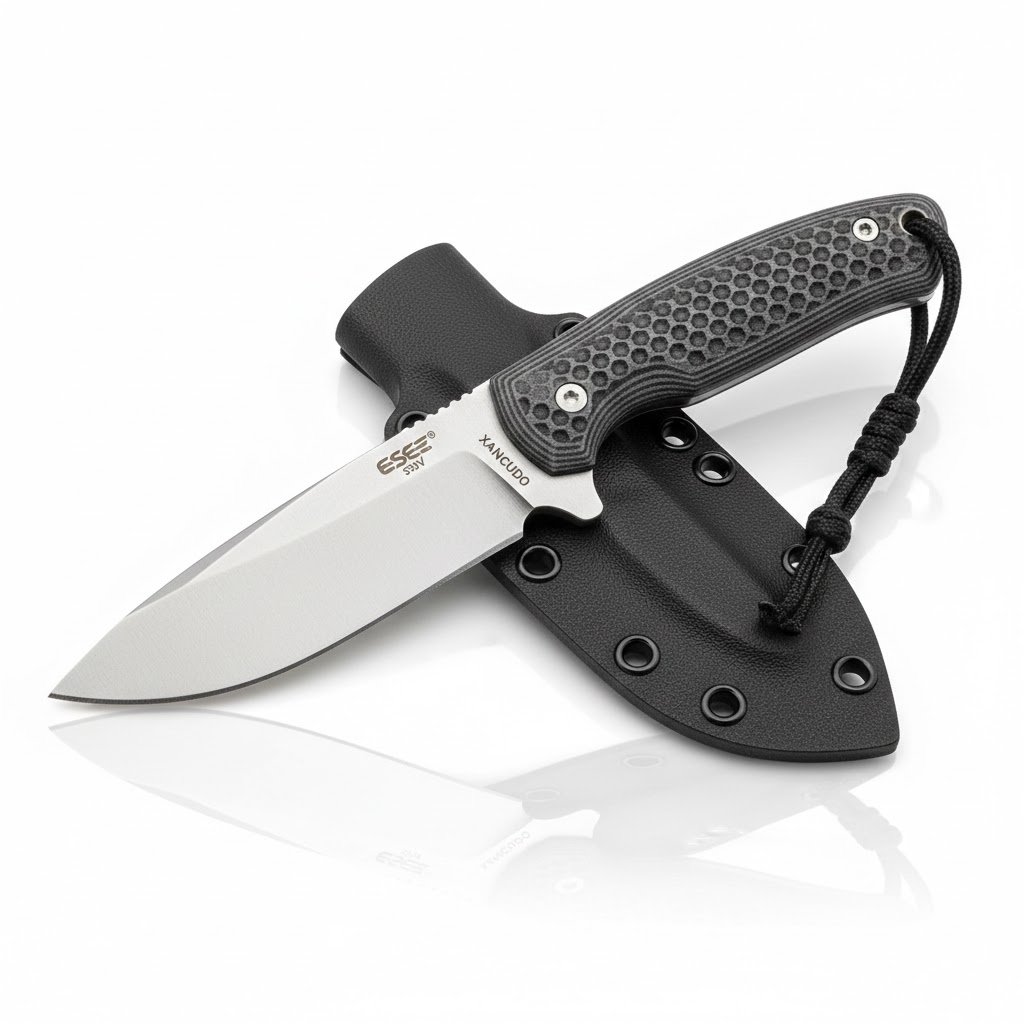
This knife was built specifically for the processing of large feral hogs and deer. It’s a tank of a knife that prioritizes utility over flair.
- Key Specs:
- Blade Steel: CPM-S35VN
- Handle: Micarta
- Overall Length: 8.25 inches
- Weight: 5.1 oz
- Pros: Indestructible build; Micarta handle actually gets grippier when wet.
- Cons: The blade profile is a bit thick for delicate caping work around the eyes and nose.
- Hands-on Note: The scales are flat, which feels odd at first, but it prevents the knife from rolling in your hand when you’re applying heavy pressure.
- Who it’s best for: The hunter who needs one knife for both field dressing and light camp chores. Real-World Drawback: The stonewashed finish looks “dirty” even when clean, which might bother the OCD hunter.
How To Choose The Best Field Dressing Knife
Understanding Blade Geometry
The shape of your blade dictates how much work your wrist has to do. A “skinner” typically has a deep belly—a curved edge—that allows you to use a rolling motion. This separates the hide from the meat without puncturing the grain. If you do a lot of “gut-in” dressing, a drop-point is your best friend because the tip is lowered, making it harder to accidentally nick the stomach or bladder.
Steel Composition and Edge Maintenance
In the field, you want a balance between hardness and “sharpen-ability.” Super steels like S30V stay sharp for a long time but are a nightmare to fix if you chip them on a rock. Softer steels like Buck’s 420HC will dull faster, but you can bring them back to a razor edge with a simple pocket stone in sixty seconds.
Handle Ergonomics and Safety
This is the most overlooked feature. A beautiful bone handle looks great in photos but is a liability when it’s covered in fat. Look for materials like G10, Micarta, or textured rubber. These materials have “traction,” ensuring that even when things get messy, the blade stays pointed away from your fingers.
Read More Guides: Best Fishing Knives of 2026: Expert Reviews & Buyer’s Guide
FAQS
Is a folding knife okay for field dressing?
This depends on your cleaning habits. Yes, a folding knife is perfectly capable of dressing an animal, and many hunters prefer them for their pocketability. However, the pivot and lock mechanism will inevitably collect blood, hair, and tissue.
Pro-tip: If you use a folder, use an old toothbrush and warm soapy water to clean the locking channel immediately after the job, or the mechanism will eventually fail or smell.
What is the best steel for a hunting knife?
There is no single “best” steel, but CPM-S35VN is the current gold standard. It offers a nearly perfect balance of toughness, edge retention, and corrosion resistance.
Pro-tip: If you hunt near saltwater or in extremely humid environments, ignore the “super steels” and look for LC200N or H1 steel, which are virtually rust-proof.
Should I get a gut hook?
No, for most hunters, a gut hook is unnecessary. While they are designed to zip open the hide like a zipper, they are difficult to sharpen and often get snagged on thick winter fur.
Pro-tip: Learn the “two-finger” method—inserting your index and middle finger inside the slit to guide the knife tip—to achieve the same result with any standard drop-point blade.
How often should I sharpen my knife?
You should touch up your edge after every animal. Even if it still feels sharp, micro-rolls in the steel occur after hitting bone or coarse hair.
Pro-tip: Use a leather strop with a bit of polishing compound after each hunt; it takes 30 seconds and can delay a full sharpening session for years.
Fixed blade vs. replaceable blade: which is better?
This depends on your skill level with a sharpening stone. If you can’t sharpen a knife to save your life, the replaceable blade (like a Havalon) is a game-changer. If you want a tool that can also split a brisket or survive a fall, go with a fixed blade.
Pro-tip: Many guides carry both—a fixed blade for the heavy work and a replaceable blade for the fine detail work around the face.
Conclusion
Choosing a field dressing knife is a deeply personal decision that depends on what you hunt and how you process it. For the Average User who heads out for a few weekends a year, the Buck 113 Ranger Skinner offers the best mix of tradition, ease of maintenance, and price. It’s a knife you’ll likely pass down to your kids.
For the Pro User—the guide or the backcountry hunter who might be miles from a sharpening kit—the Benchmade Saddle Mountain Skinner is the clear winner. The S30V steel is a workhorse that simply refuses to go dull.
Regardless of which you choose, remember that a knife is only as good as the hand holding it. Practice your cuts, keep your fingers clear, and always, always clean your blade before the blood dries.