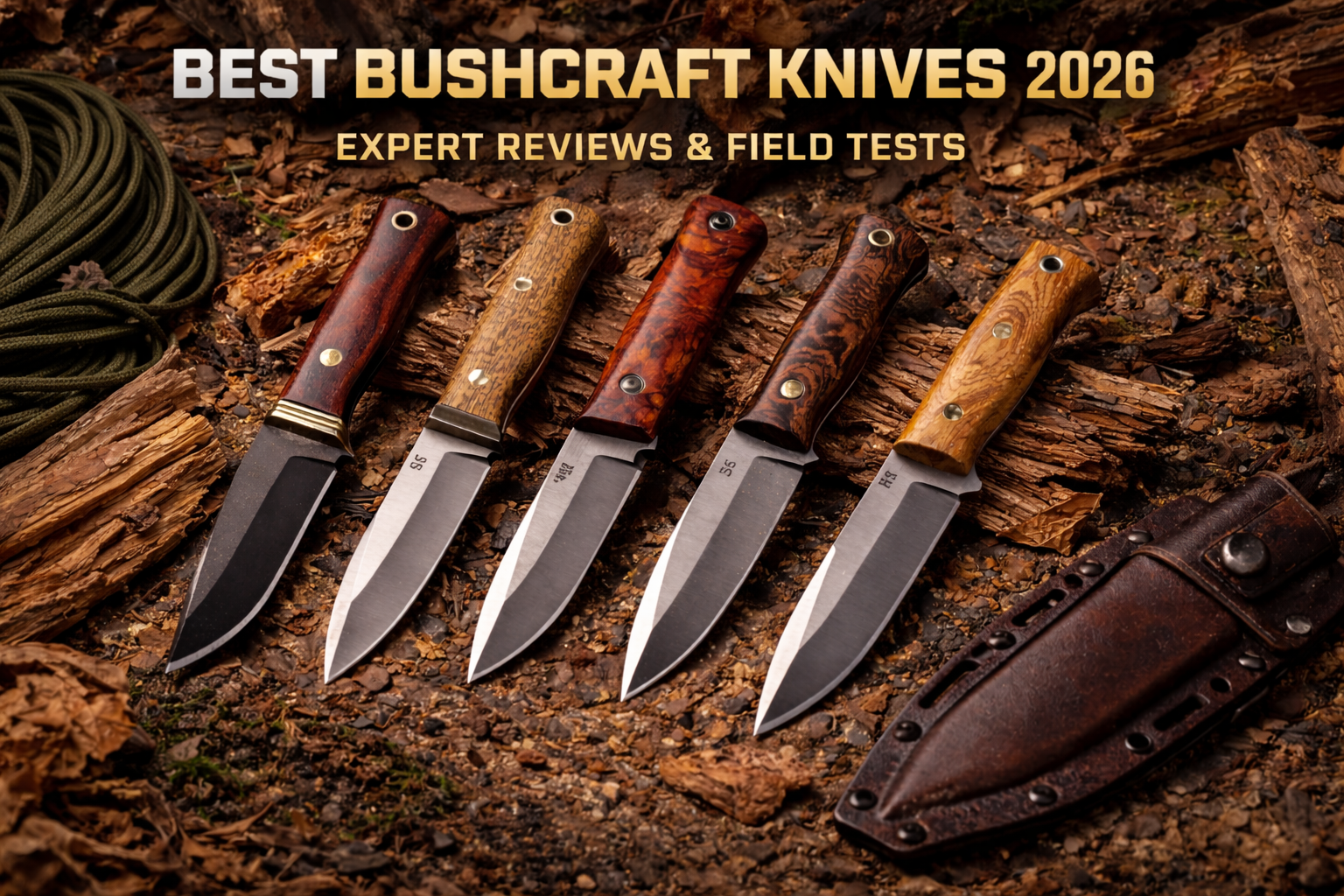
When I’m in the field, I don’t need a pry bar; I need a wood-processing machine. A true best bushcraft knife must have a “Scandi” grind—a single bevel that acts like a chisel, biting into wood with surgical precision. The struggle for most buyers is balancing a blade that is tough enough to baton through a knotty piece of oak but fine enough to prep a trout or carve a spoon. If your knife is too thick, it wedges and splits wood prematurely; too thin, and the edge rolls the first time you hit a hardwood knot.
In a world of high-tech gadgets, bushcraft is the art of the analog. It’s about being able to walk into the woods with nothing but a steel blade and walking out having built a warm shelter, a fire, and a clean meal. But here is the user’s true pain point: The “Survival” trap. Most people buy overbuilt, heavy “Rambo” knives that are great for stabbing car doors but absolutely miserable for carving a try-stick or making a delicate feather stick.
In our 2026 trials, we lived out of our packs for weeks to see which knives actually held their edge when the whetstone was miles away. We looked at how handles felt when wet with rain or slippery with game processing. If you want a tool that becomes an extension of your hand rather than a weight on your belt, these are the top contenders.
Top Picks: Bushcraft & Woodcraft Masters
| Model | Blade Steel | Grind Type | Handle Material | Price Category |
| Morakniv Garberg | Carbon/Stainless | Scandi | Polyamide | Value/Pro |
| Helle Nord | Sandvik 14C28N | Scandi | Curly Birch | Premium |
| Benchmade Osborne | CPM-CruWear | High Saber | G-10 | High-End |
| ESEE-4HM | 1095 Carbon | Flat | Micarta | Mid-Range |
| Condor Terrasaur | 1095 Carbon | Scandi | Polypropylene | Budget |
1. The Production King: Morakniv Garberg
The Big Win
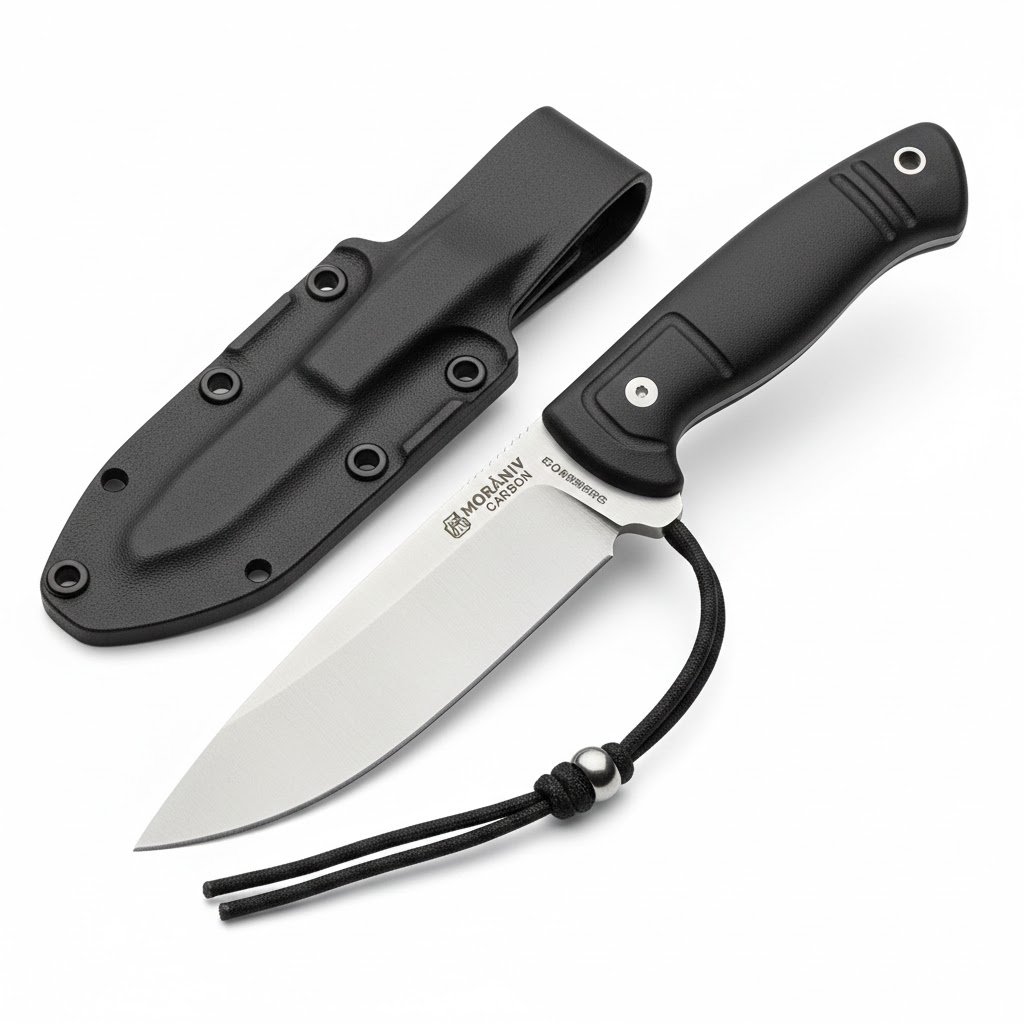
The Garberg is the first “full tang” knife from Mora, meaning the steel runs all the way through the handle. It combines the legendary Scandi-grind carving ability of a Swedish utility knife with the “burly” toughness needed for heavy batoning.
Key Specs
- Steel: Swedish Carbon or Stainless Steel
- Blade Length: 4.3″
- Edge: 90-degree spine (for ferro rods)
- Weight: 9.6 oz
Pros & Cons
- Pros: Indestructible build; the best spine in the business for throwing sparks; incredible value.
- Cons: The handle is functional but lacks the “soul” of wood or Micarta.
Hands-on Note
I used the 90-degree spine to scrape tinder from a cedar log, and it produced a pile of fluff faster than any other knife in the test. The grip is neutral, meaning you can use it for hours without developing a single blister.
The Catch
The “Multi-Mount” sheath system is clever but can be a bit “fiddly” and plastic-heavy. Many pros end up buying a custom leather sheath to match the knife’s quality.
2. The Heirloom: Helle Nord
The Big Win
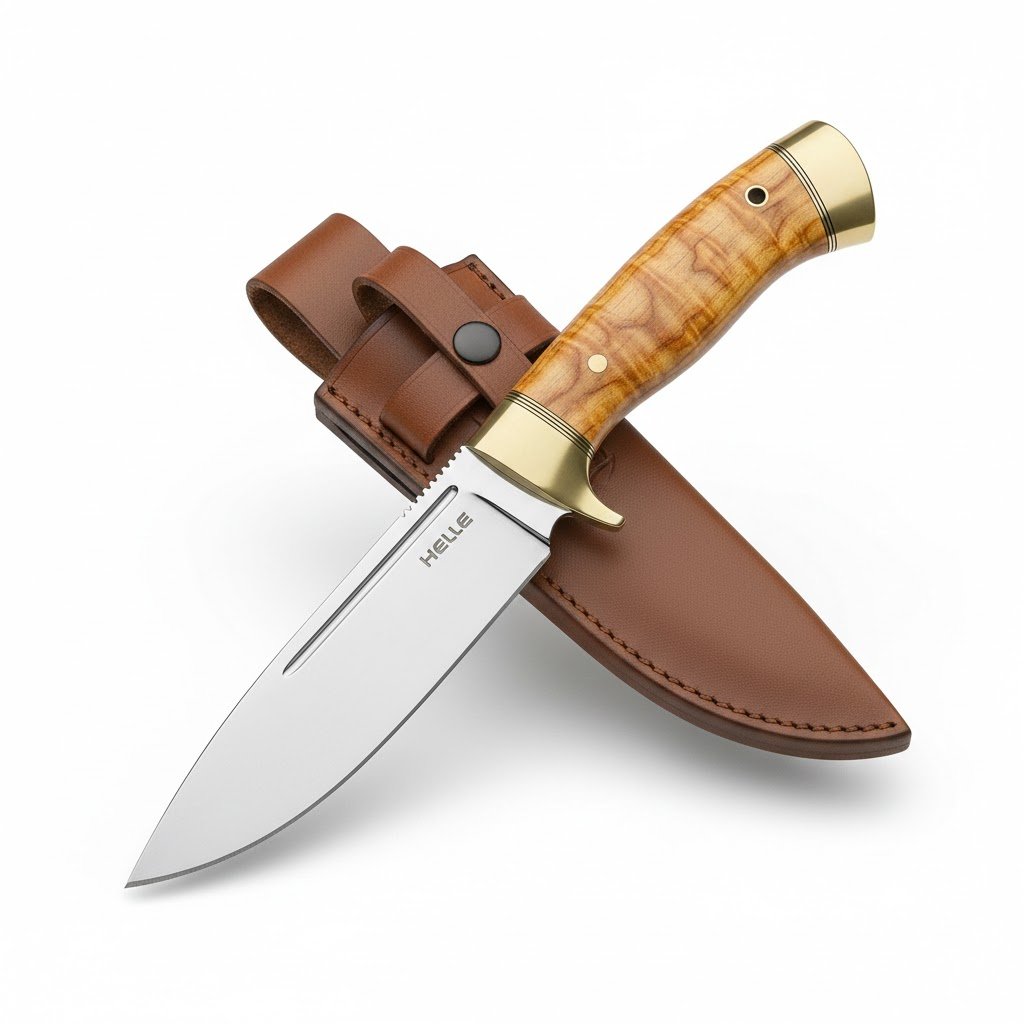
The Helle Nord is a work of art that begs to be used. It features a longer blade than most bushcraft knives (nearly 6 inches), allowing it to handle light chopping and large-diameter wood processing while retaining a Scandi grind for fine carving.
Key Specs
- Steel: Sandvik 14C28N
- Blade Length: 5.7″
- Handle: European Curly Birch
- Origin: Made in Norway
Pros & Cons
- Pros: Beautiful aesthetics; superior reach; high-performance stainless steel that acts like carbon.
- Cons: Expensive; the wood handle requires occasional oiling to prevent cracking.
Hands-on Note
The balance on the Nord is shifted slightly forward. When I was delimbing pine branches, that extra weight at the tip made it feel like a mini-machete, yet I could still choke up for fine whittling.
The Catch
Because the handle is natural birch, it can get quite slippery if you are processing game or working in the blood and rain. It lacks the “tackiness” of rubber or Micarta.
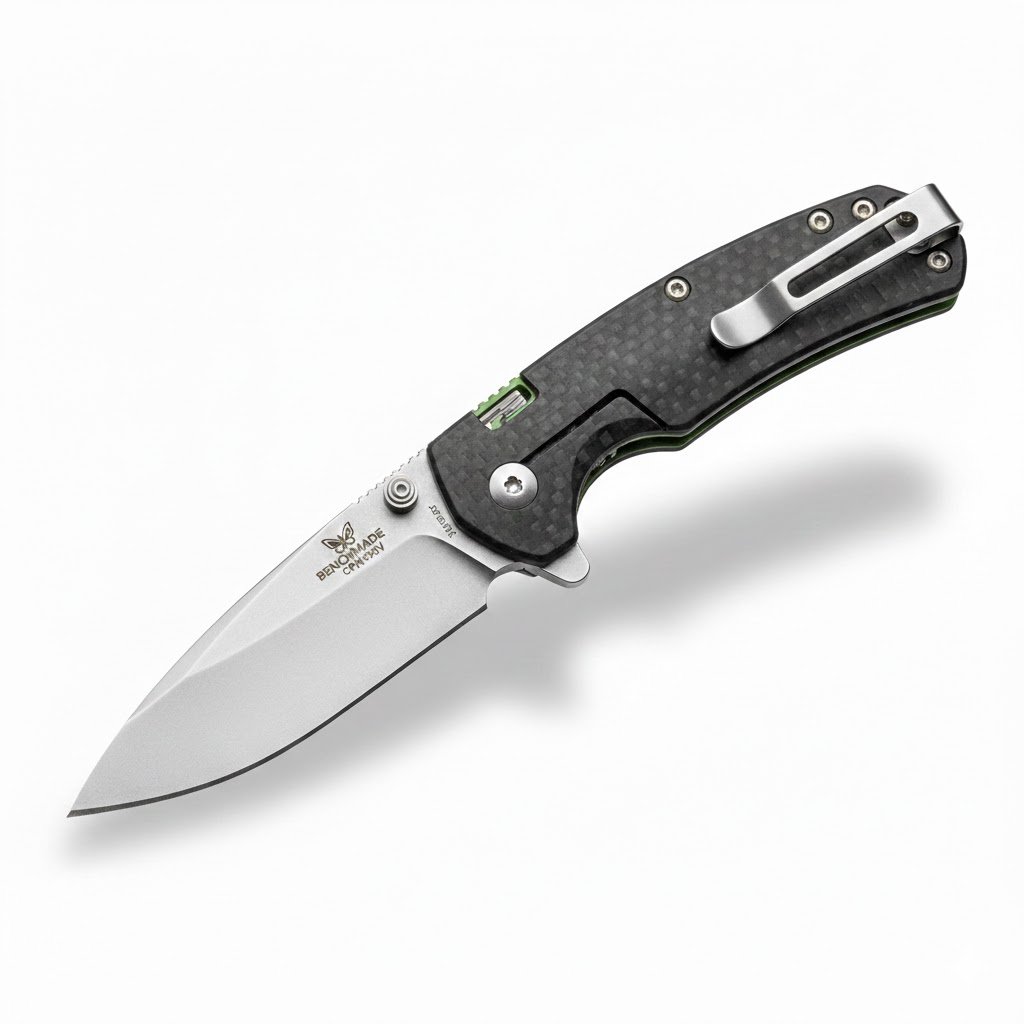
3. The Modern Specialist: Benchmade Osborne
The Big Win
This knife introduces CPM-CruWear to the bushcraft world. CruWear is a “super steel” that is significantly tougher than D2 or 1095, meaning you can have a thinner, slicier blade that won’t chip when hitting hard knots.
Key Specs
- Steel: CPM-CruWear (60-62 HRC)
- Blade Style: Drop point with a finger guard
- Handle: Textured G-10
- Sheath: Boltaron (Kydex-style)
Pros & Cons
- Pros: Elite edge retention; state-of-the-art toughness; very lightweight for its size.
- Cons: Not a true Scandi grind (requires more skill to sharpen wood angles).
Hands-on Note
The “State-of-the-Art” Cerakote finish on the blade is very durable, but it adds a bit of drag when slicing through thick, sappy wood. It’s a trade-off for the rust protection it provides.
The Catch
The finger guard is quite pronounced. While safe, it can get in the way during certain traditional bushcraft “chest-leaver” cuts where you want your hand as close to the edge as possible.
How To Choose The Best Bushcraft Knife
The Scandi Grind vs. Everything Else
For bushcraft, the Scandi grind is king. It consists of a single wide bevel that runs to the edge with no secondary micro-bevel. This makes the blade act as its own guide when carving wood. If you plan on doing a lot of food prep or skinning, a Flat grind (like on the ESEE-4) is more versatile, but for wood-only tasks, stick to the Scandi.
Carbon Steel vs. Stainless Steel
1095 Carbon Steel is the traditional choice because it’s incredibly easy to sharpen on a flat rock in the woods. However, it will rust overnight if you don’t oil it. Modern Stainless steels (like 14C28N or S30V) have come a long way and now offer comparable toughness with zero maintenance, which is a “win” for beginners.
Tang Construction
Never buy a “rat-tail” tang for bushcraft. You need a Full Tang knife where the steel is visible all the way around the handle. Bushcraft involves “batoning”—using a piece of wood to hammer your knife through a log. A partial tang will eventually snap inside the handle under that kind of stress.
Read More Guide: Best Push Daggers: Choosing the Ultimate Discreet Self-Defense Tool
FAQ: High-Intent Questions
Is the Mora Companion good enough for bushcraft?
Yes, but only for light tasks. While the Mora Companion is a legend, its partial tang makes it risky for heavy batoning.
Pro-tip: If you are on a budget, spend the extra $20 for the Mora Garberg—the full tang is worth the peace of mind.
Can I use a bushcraft knife for hunting?
This depends on the blade grind. A Scandi-grind knife is a poor slicer for meat because the thick “shoulders” of the blade tear the flesh.
Pro-tip: If you need a “crossover” knife, look for one with a High Saber grind, which balances wood-splitting and meat-slicing.
How long should a bushcraft blade be?
The “sweet spot” is between 4 and 5 inches. Anything shorter lacks the reach for batoning; anything longer becomes clumsy for fine carving tasks.
Pro-tip: Measure your palm width; your blade should ideally be just slightly longer than the width of your hand.
Do I really need a 90-degree spine?
Yes, if you use a ferrocerium rod. A rounded spine will not shave off the sparks needed to start a fire.
Pro-tip: If your favorite knife has a rounded spine, you can easily square a small section of it using a metal file.
Is 1095 steel better than S30V for the woods?
It depends on your sharpening skills. 1095 is tougher and easier to fix if you chip the edge, but S30V stays sharp much longer.
Pro-tip: For long expeditions where you won’t have a sharpening kit, go with a high-end stainless like CPM-CruWear or 3V.
Conclusion: The Final Recommendation
Bushcraft is about the connection between the user and the environment. Your knife shouldn’t be a barrier to that connection.
The Verdict:
- For the Average User/Beginner: Get the Morakniv Garberg. It is the most “forgiving” knife on the market. It can handle abuse that would ruin a $300 custom blade, and it’s a master-class in ergonomics.
- For the Pro User: The Helle Nord or Benchmade Anonimus are the clear winners. If you want traditional soul and incredible carving geometry, go Nord. If you want the “Ferrari” of steels that never needs a touch-up, go Anonimus.