
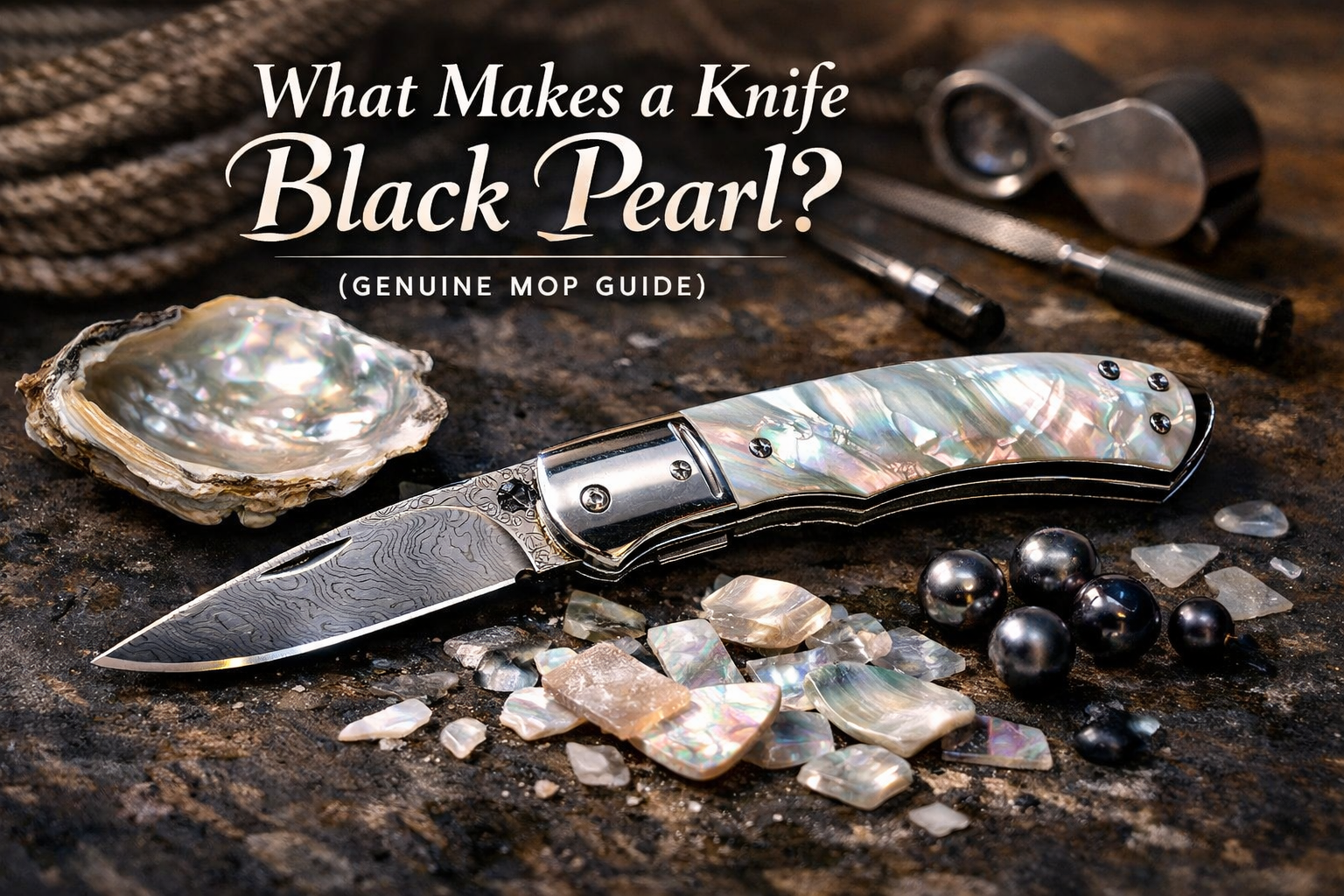
In the world of high-end cutlery and custom knife making, “Black Pearl” does not refer to a coating or a paint job. Instead, it represents one of the most prestigious, rare, and visually stunning organic materials ever used for handle inlays: Black Mother of Pearl (MOP). Derived from the Pinctada margaritifera oyster, primarily found in the waters of Tahiti, this material transforms a functional tool into a museum-quality heirloom.
Understanding what makes a knife black pearl requires a look at marine biology, the precision of lapidary work, and the unique way light interacts with calcium carbonate. In this guide, we will explore why this material is a favorite for “gentleman’s folders” and why it remains one of the most expensive handle options on the market.
The Origin: The Tahitian Black-Lipped Oyster
True black pearl handles come from the inner lining of the Tahitian black-lipped pearl oyster. Unlike standard Mother of Pearl, which is prized for its pure, milky whiteness, the black variety is famous for its “orient”—the shimmering play of colors that dance across its surface.
The Nacre Secret
What makes a knife black pearl is the nacre. As the oyster grows, it deposits microscopic layers of aragonite (a form of calcium carbonate) held together by organic proteins. In the black-lipped oyster, these layers contain natural dark pigments. When light hits these layers, it doesn’t just reflect; it refracts, creating a deep, metallic luster that shifts between charcoal, silver, peacock green, and royal purple.
Rarity and Grading
Not every shell is suitable for a knife handle. Makers look for “Grade A” slabs that are:
- Thick enough to be pinned to a knife frame.
- Structurally sound, without internal cracks.
- High in Iridescence, showing a full spectrum of color rather than just flat grey.
What Makes a Knife Black Pearl Different from “Black Pearl Finish”?
It is important to distinguish between the organic material and modern synthetic imitations or coatings.
1. Genuine Black Mother of Pearl
This is a natural gemstone material. It is cool to the touch, heavy, and has a “depth” that looks like you are peering into deep water. No two scales (handle pieces) are ever identical.
2. Black Pearl “Finish” or PVD
Some budget knives use a “Black Pearl” PVD (Physical Vapor Deposition) coating on the steel blade itself. This is a metallic coating intended to mimic the dark shimmer of a pearl, but it lacks the organic texture and value of a true pearl handle.
3. “Corelon” or Acrylic Imitations
Many production knives use “Black Pearl Kirinite” or resins. While durable and attractive, these are plastics. They lack the crystalline structure of real nacre and do not hold the same value for collectors.
The Art of Working with Black Pearl
The reason a black pearl knife carries such a premium price tag is the difficulty of the craftsmanship involved. Pearl is notoriously difficult to work with.
The Fragility Factor
Black pearl is brittle. If a knife maker applies too much pressure while riveting the handle to the steel, the shell will shatter instantly. It requires a master’s touch to grind, shape, and polish without destroying the material.
Health and Safety
When grinding black pearl, the dust produced is extremely fine and can be hazardous if inhaled. Professional makers must use high-end respiratory protection and wet-sanding techniques to keep the dust out of the air.
The Polishing Process
To achieve that deep, “oil-slick” glow, the pearl must be sanded through progressively finer grits, ending in a buffing stage with specialized compounds. This brings out the “fire” within the shell.
Choosing the Right Style: Pocket Knives vs. Art Knives
Because black pearl is an organic shell, it is not used for heavy-duty survival knives or tactical blades. It is reserved for:
The Executive Edge: Why the Gentleman’s Folder is the Ultimate Office Tool
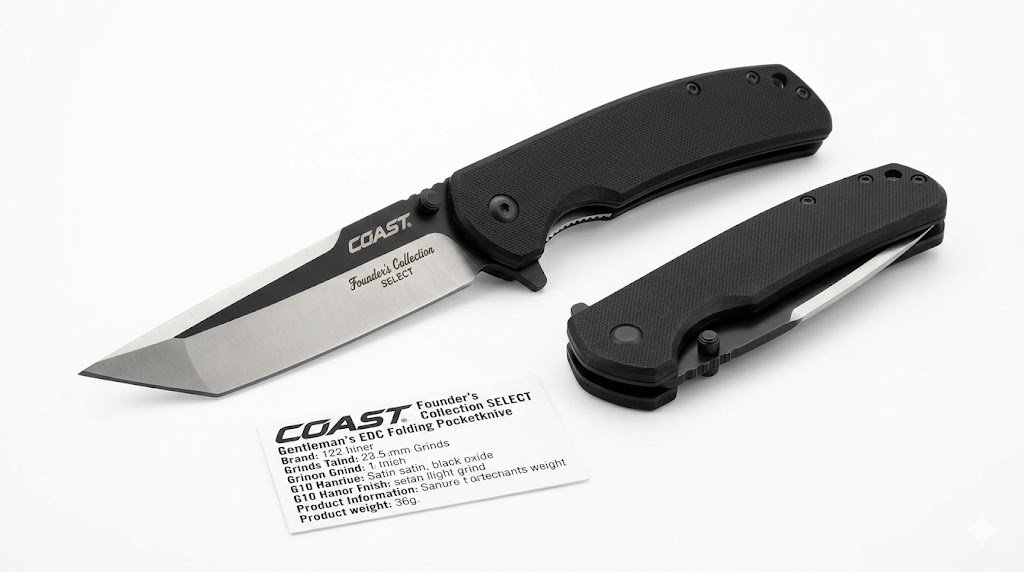
The image above showcases the Gentleman’s Folder in its natural habitat. Unlike bulky tactical knives, this sleek, Black Pearl-inlayed blade is designed to be a conversation piece. Its slim profile and organic materials make it a sophisticated choice for light daily tasks—from opening a wax-sealed letter to precisely slicing an apple for a midday snack.
When selecting a high-end folder for an office or social setting, look for:
- Manual Action: A smooth, manual opening (rather than an aggressive spring-assisted one) is much more socially appropriate in professional environments.
- Deep Carry Clips: Look for a pocket clip that allows the knife to sit low and discreetly in your trousers or blazer pocket.
Featured Executive Pick: For those seeking a blend of Tahitian elegance and modern performance, we recommend the Black Pearl Executive Spear-Point. It features a mirror-polished blade that resists fruit acids and a handle that captures the “fire” of the deep Pacific.
The Perfect Pairing: Damascus Meets Mother of Pearl
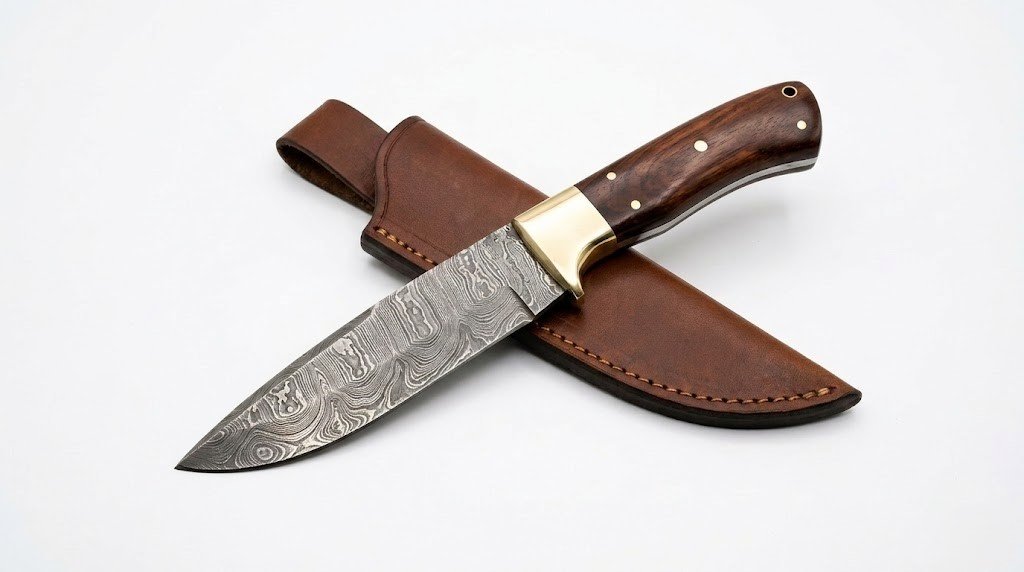
The image above demonstrates why collectors consider this the “Golden Ratio” of knife aesthetics. The dark, undulating waves of Damascus steel (created by folding layers of different steels) act as a visual echo to the shimmering, organic layers of the Black MOP.
When choosing a knife that features this pairing, look for:
- High Contrast: Ensure the Damascus etch is dark enough to make the “fire” in the pearl pop.
- Seamless Inlays: Since pearl is brittle, the transition between the steel bolster and the shell should be perfectly flush to the touch.
Featured Collector’s Choice: If you are looking to add this stunning combination to your EDC, we recommend the Artisan Damascus Gentleman’s Folder. It features authentic Tahitian MOP and a 67-layer Damascus blade, offering that museum-quality look at a functional price point.
Maintenance: Caring for Your Black Pearl Knife
If you own a knife with black pearl handles, you cannot treat it like a standard utility tool.
- Avoid Extreme Heat: High temperatures can dry out the organic proteins in the shell, leading to “checking” or hairline cracks.
- Keep it Dry: While it comes from the ocean, once processed, long-term exposure to water can dull the polish. Wipe it dry immediately after use.
- Mineral Oil: A tiny drop of mineral oil once a year can help maintain the moisture balance of the shell and keep the colors vibrant.
- No Chemicals: Never use harsh cleaners or silver polishes on the pearl; they can eat away the delicate nacre layers.
Black Pearl Knife Comparison
| Material | Durability | Value | Visual Depth |
| Genuine Black MOP | Low (Brittle) | Very High | Exceptional / Iridescent |
| Abalone Shell | Low (Brittle) | High | High (Green/Blue focus) |
| Black Lip MOP | Moderate | High | Metallic / Smokey |
| Black Resin/Acrylic | High | Low | Flat / Artificial |
Staying prepared is about more than just having the right tools; it’s about knowing how to use them effectively when it matters most. From your kitchen to your outdoor gear, keeping your equipment in top shape is a hallmark of true craftsmanship.
Read More Guide on: What Is a Paring Knife Used For? Guide to the Kitchen’s Pocket Knife
Frequently Asked Questions
Is black pearl more expensive than white pearl?
Generally, yes. Black Mother of Pearl is rarer and the shells are typically smaller, making it harder to find large, high-quality slabs for knife scales.
Is it legal to own black pearl knives?
Yes. Unlike ivory or certain exotic woods, Mother of Pearl is a byproduct of the pearl farming industry and is generally legal to trade and own globally, though you should check CITES regulations if shipping internationally.
Can black pearl handles be repaired?
If a pearl handle chips or cracks, it is very difficult to repair “invisibly.” Usually, the entire scale must be replaced by a professional knife maker.
Does black pearl change color over time?
If kept out of direct sunlight and away from harsh chemicals, the color of black pearl is permanent. However, it can appear “dull” if it gets oily from fingerprints; a simple wipe with a microfiber cloth restores the shine.
What is the “fire” in a black pearl knife?
“Fire” is a collector’s term for the flashes of red, pink, and green that appear when the knife is tilted in the light.
Conclusion: A Masterpiece of Nature
What makes a knife black pearl is the perfect intersection of nature’s beauty and human skill. It is a material that took years to form beneath the Pacific waves, only to be carefully shaped by a master craftsman’s hand.
While it may not be the knife you take into the woods for a camping trip, it is the knife that defines a collection. A true Black Mother of Pearl blade is more than a tool—it is a study in light, a piece of the ocean, and a testament to the finest traditions of cutlery.