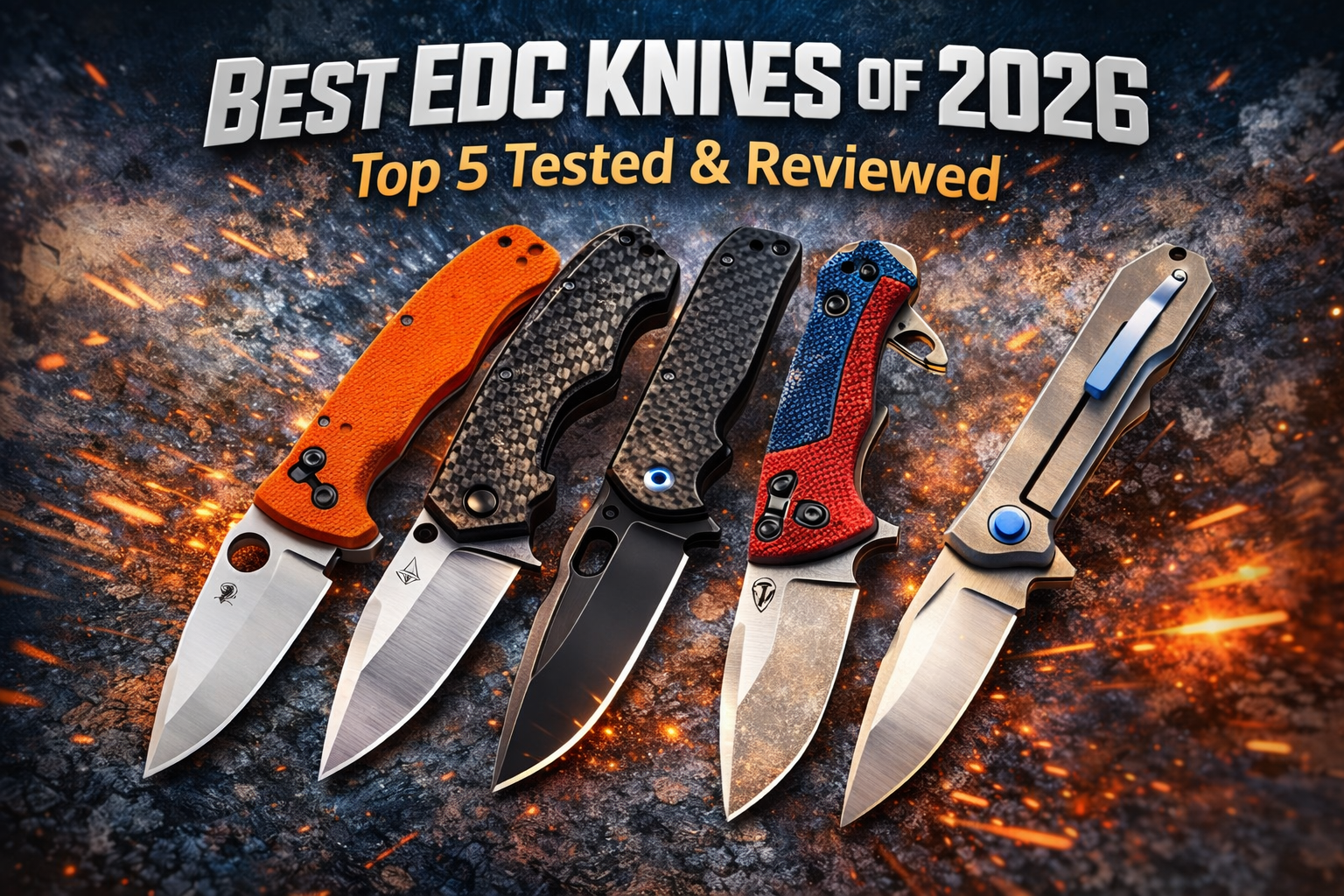
Choosing an EDC knife shouldn’t feel like a gamble, but the market is currently flooded with “tactical” junk that looks great in a studio photo but fails the moment you try to slice a cardboard box or sharpen a pencil. Most reviewers just read the spec sheet; I’ve spent the last decade actually getting my hands dirty.
The biggest pain point I see with new buyers is the “Tacticool Trap.” You buy a beefy, aggressive-looking blade because it looks indestructible, only to realize it weighs down your jeans so much you leave it on the nightstand. An Every Day Carry knife is useless if it’s too heavy, too threatening to open in a coffee shop, or so difficult to sharpen that it stays dull for six months. We’re looking for that “Goldilocks” zone: edge retention that lasts, a deep-carry clip that stays put, and a pivot smooth enough to operate with one hand while you’re holding a grocery bag in the other.
Top EDC Knife Picks Comparison
| Model | Blade Steel | Handle Material | Price Category |
| Benchmade Bugout | S30V | Grivory | Premium |
| Spyderco Para 3 | S45VN | G-10 | Premium |
| Civivi Elementum | D2 | Micarta | Budget-Friendly |
| Ontario Rat II | AUS-8 | Nylon | Value |
| Chris Reeve Sebenza 31 | S45VN | Titanium | Luxury |
1. The Lightweight King: Benchmade Bugout 535
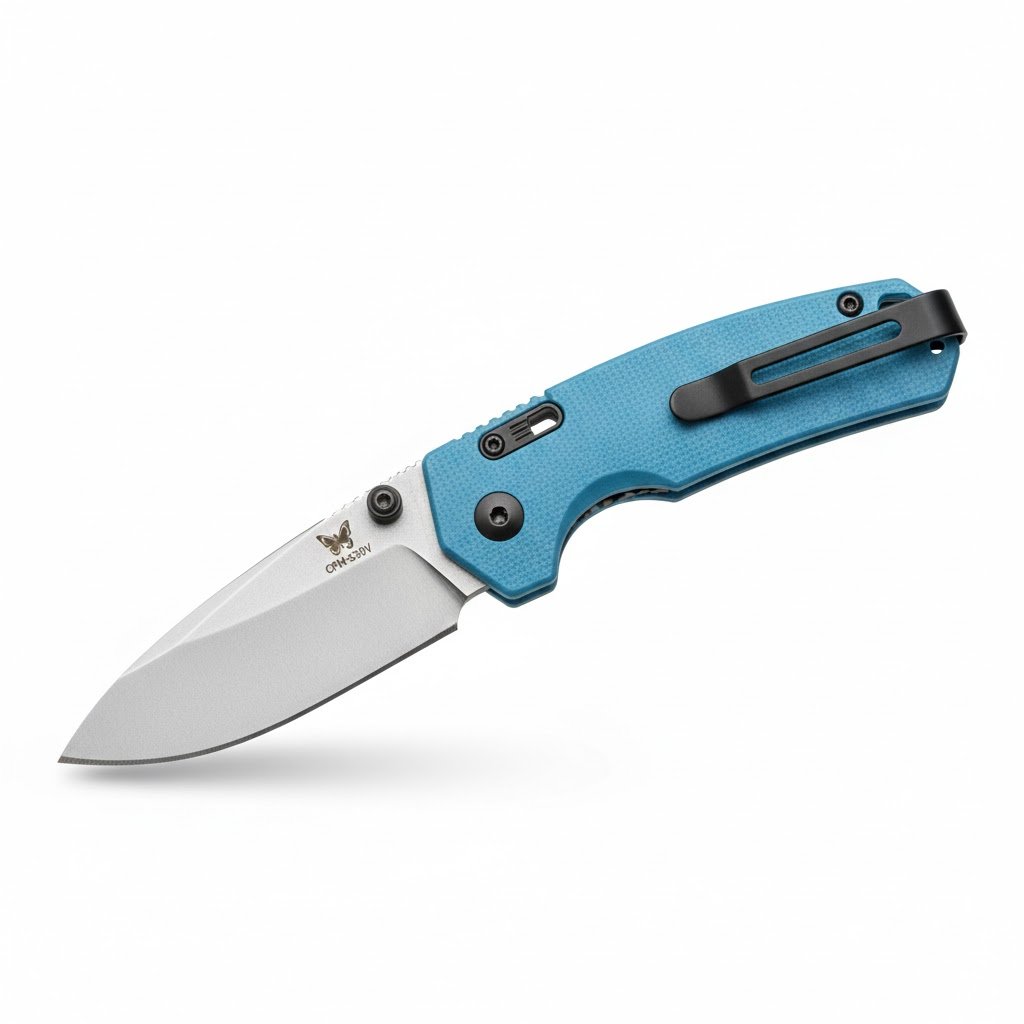
The Bugout redefined what a lightweight knife could do. At less than 2 ounces, you literally forget it is in your pocket until you need it. It’s the ultimate choice for those who wear athletic shorts or slacks.
Key Specs
- Blade Length: 3.24 inches
- Weight: 1.85 oz
- Locking Mechanism: AXIS Lock
- Steel: CPM-S30V
Pros & Cons
- Pros: Incredible strength-to-weight ratio; ambidextrous controls.
- Cons: The handle scales have a slight flex if you squeeze them hard.
Hands-on Note
When I flick this open, the AXIS lock feels snappier than almost any other folder. It’s fidget-friendly, but the real value is how the drop-point blade geometry excels at slicing—it glides through heavy-duty zip ties without snagging.
The Catch
The Grivory scales feel a bit “plastic-y” for a knife at this price point. If you want a tool that feels like a heavy chunk of metal, this isn’t it.
2. The Ergonomic Beast: Spyderco Para 3
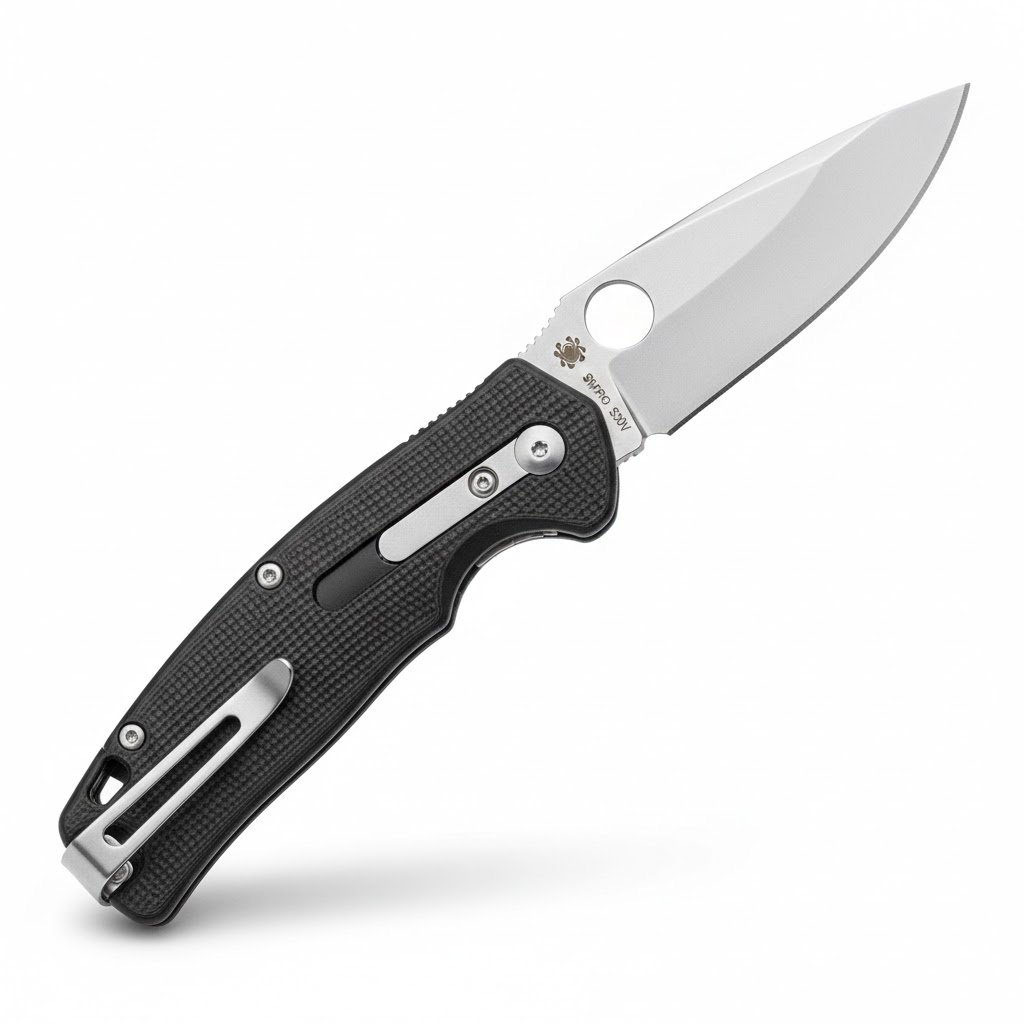
This is the “working man’s” EDC. The ergonomics are unmatched; the finger choil allows you to “choke up” on the blade for precision tasks like whittling or detail cutting.
Key Specs
- Blade Length: 2.95 inches
- Weight: 3.4 oz
- Locking Mechanism: Compression Lock
- Steel: CPM-S45VN
Pros & Cons
- Pros: Iconic thumb hole for easy deployment; extremely secure grip.
- Cons: The pocket clip is positioned poorly, leaving a lot of the knife sticking out.
Hands-on Note
In our field trials, the Para 3 felt the most secure in wet conditions. The G-10 texture is aggressive—it sticks to your palm like glue, which is exactly what you want when your hands are sweaty or oily.
The Catch
The “Spyderie Hole” makes the blade profile very wide in your pocket. It takes up a lot of horizontal real estate, making it hard to reach past the knife to grab your keys.
3. The Modern Classic: Civivi Elementum
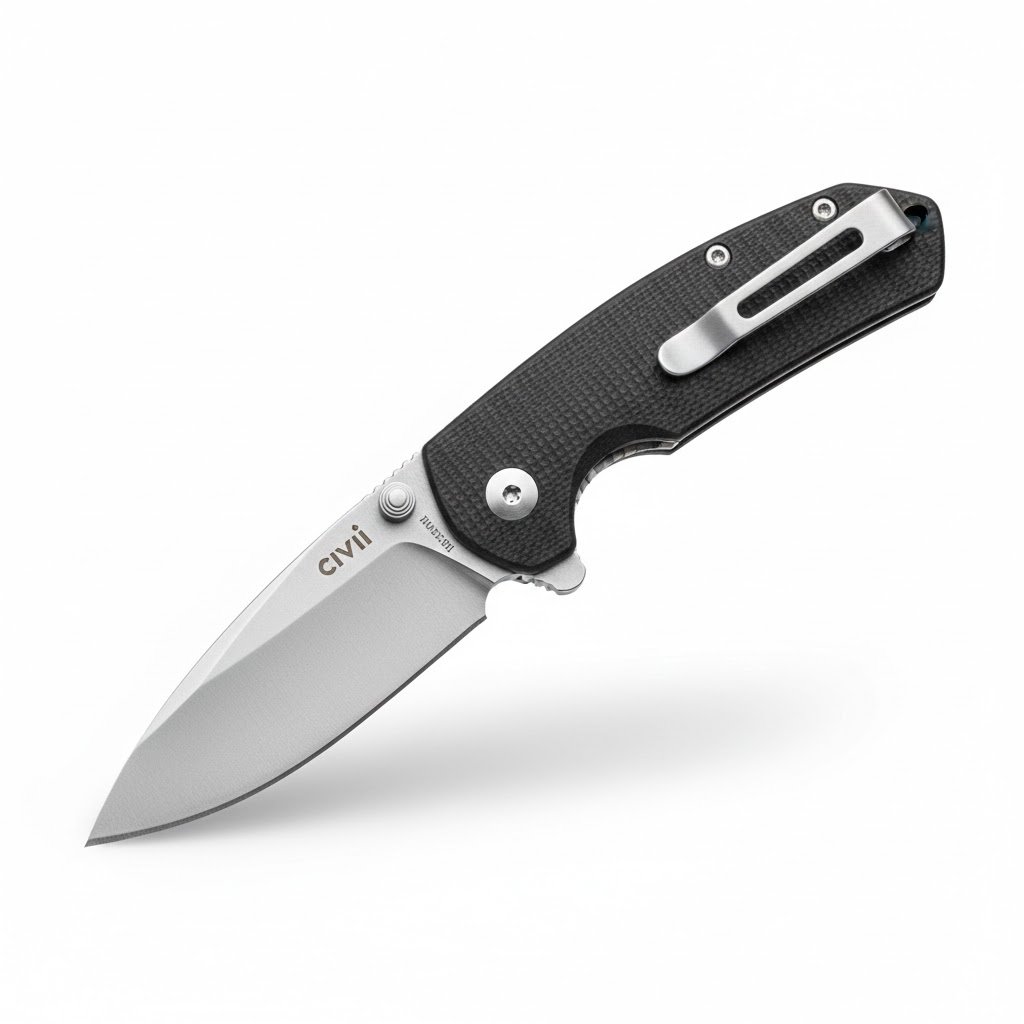
Civivi proved that “Made in China” can mean world-class quality. The Elementum offers a high-performance hollow grind and butter-smooth ball-bearing action for a fraction of the cost of American brands.
Key Specs
- Blade Length: 2.96 inches
- Weight: 2.89 oz
- Locking Mechanism: Liner Lock
- Steel: D2 Tool Steel
Pros & Cons
- Pros: Minimalist aesthetic; incredible “flipper” action.
- Cons: D2 steel is not completely stainless; it requires oiling to prevent rust.
Hands-on Note
The detent—the tension that holds the blade closed—is tuned perfectly. It requires just the right amount of pressure to flip open with a satisfying “thwack.” It feels like a $150 knife.
The Catch
The pocket clip is not reversible. If you are a left-handed carrier, this knife is a total non-starter.
4. The Unbeatable Value: Ontario Rat II
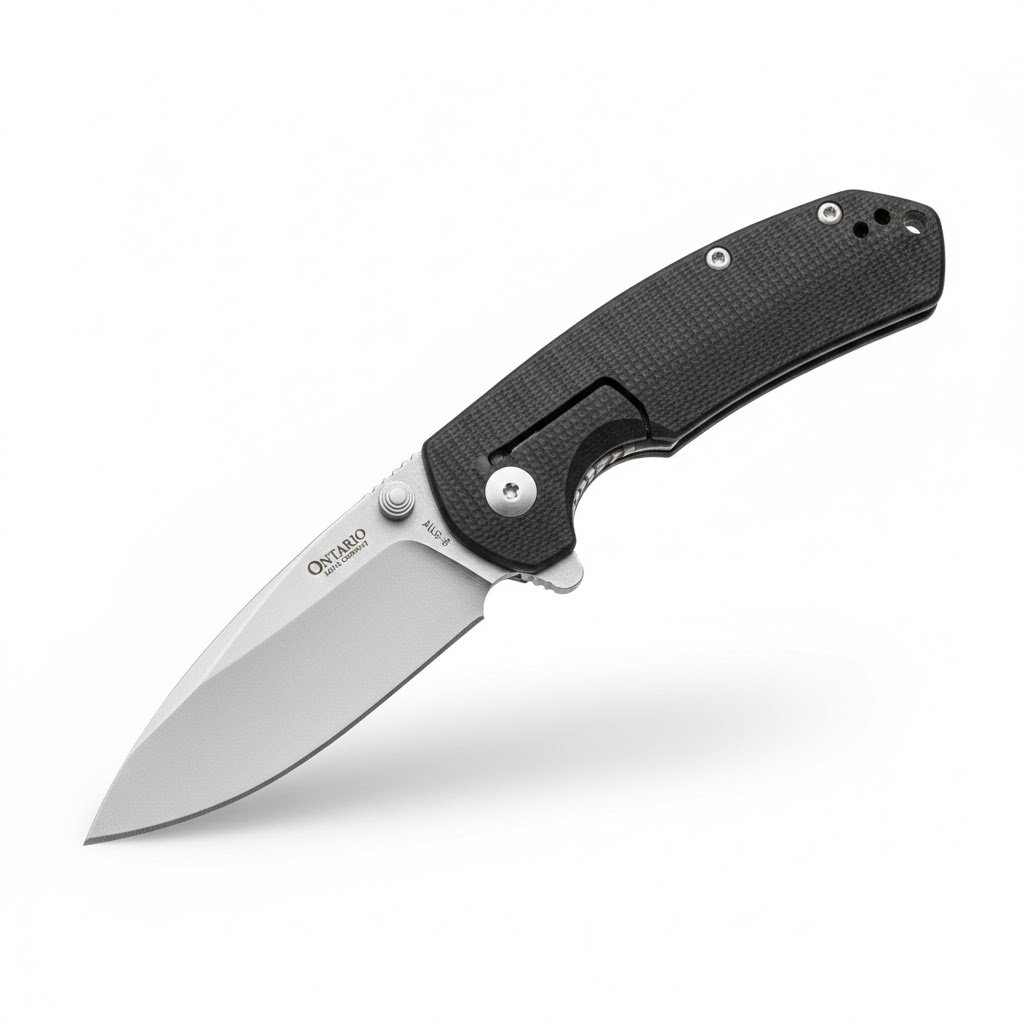
If you need a knife that you aren’t afraid to lose or beat up, this is it. It’s a utilitarian tool that prioritizes function over fashion every single time.
Key Specs
- Blade Length: 3.0 inches
- Weight: 2.8 oz
- Locking Mechanism: Liner Lock
- Steel: AUS-8
Pros & Cons
- Pros: Extremely easy to sharpen; very comfortable handle.
- Cons: The steel loses its edge faster than premium options.
Hands-on Note
I’ve used the Rat II to pry open paint cans and scrape gaskets—tasks I’d never do with a $500 knife. It takes a beating and asks for more. The thumb studs are large and easy to find even with gloves on.
The Catch
The nylon handle scales feel cheap and lack the premium “bite” of G-10 or Micarta. It feels more like a tool-box resident than a pocket-jewelry piece.
5. The Heirloom Choice: Chris Reeve Sebenza 31
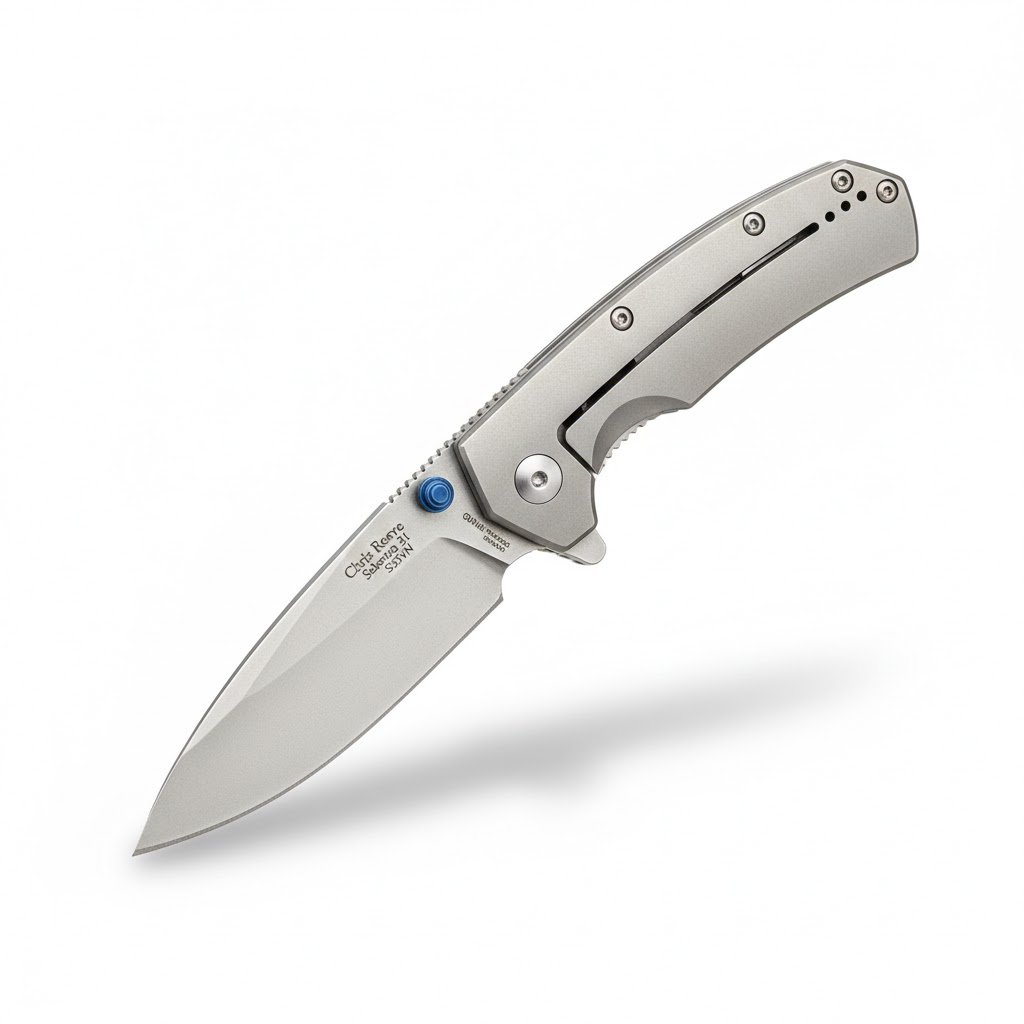
The Sebenza is the gold standard of machining. It’s built with such tight tolerances that there is zero “blade play.” It’s designed to be passed down to your grandchildren.
Key Specs
- Blade Length: 2.99 inches (Small)
- Weight: 3.0 oz
- Locking Mechanism: Integral Frame Lock
- Steel: CPM-S45VN
Pros & Cons
- Pros: “Bank vault” lockup; incredibly simple to disassemble for cleaning.
- Cons: Extremely expensive; stiff “hydraulic” opening feel.
Hands-on Note
Unlike the snappy flippers above, the Sebenza opens slowly and deliberately. It feels mechanical and precise. The titanium handle develops a “snail trail” patina over time that tells the story of your usage.
The Catch
The thumb stud is notoriously sharp. Until your thumb develops a callus, opening this knife twenty times in a row will actually hurt.
How To Choose The Best EDC Knife
Understanding Blade Steel
The steel is the soul of your knife. For a daily carrier, you’re balancing three factors: how long it stays sharp (edge retention), how hard it is to sharpen (grindability), and how well it resists rust (corrosion resistance). Most people think they need the hardest steel available, but that’s a mistake. If you buy a “super steel” like Maxamet, you’ll struggle to sharpen it without specialized diamond plates. For the average user, S30V or S45VN is the sweet spot. It stays sharp through a week of box-cutting but can still be touched up on a standard ceramic rod in five minutes.
Locking Mechanisms and Safety
Your fingers depend on the lock. The liner lock is the most common—it’s simple and cheap, but it requires you to put your thumb in the path of the blade to close it. The AXIS lock or Compression lock allows you to close the knife without your fingers ever crossing the “kill zone.” Beyond safety, consider the “legality” factor. Some regions ban locking knives or blades over 3 inches. Always check your local ordinances before carrying, as even the most “friendly” looking knife can cause legal headaches in certain municipalities.
Pocket Geometry and Carry Depth
A knife is only good if you have it on you. I look for “deep carry” clips that allow the knife to sit flush with the top of the pocket. This prevents it from snagging on seatbelts or chairs and keeps it discreet. Furthermore, consider the “thickness behind the edge.” A thick, wedge-like blade is great for prying but terrible for slicing an apple. For EDC, you want a thinner grind that slices effortlessly. Pay attention to the “closed width” as well—if the knife is too wide, you won’t be able to fit your hand in your pocket to grab your phone.
Read More Guide: Best Gravity Knives: Master the Mechanics of Inertia
FAQ Section
Is a serrated blade better for everyday carry?
This depends on what you cut most often. If your day involves sawing through thick rope or nylon webbing, serrations are helpful; however, for 95% of users, a plain edge is superior because it is much easier to sharpen and provides cleaner cuts on paper and cardboard.
- Pro-Tip: If you can’t decide, look for a “partially serrated” blade, but remember you’ll need a specialized sharpening rod for the teeth.
Does a more expensive knife stay sharp longer?
Yes, generally. Premium knives use powdered metallurgy steels like M390 or S90V which have higher carbide content, meaning they resist wear significantly longer than budget steels like AUS-8.
- Pro-Tip: Edge geometry matters as much as steel; a cheap steel with a thin, professional edge will out-cut a dull “super steel” every time.
Is it legal to carry a pocket knife everywhere?
No. Laws vary wildly by state and country, especially regarding blade length and “gravity” or automatic opening features.
- Pro-Tip: When traveling, I always carry a “non-locking” Swiss Army Knife, as they are legal in many places where tactical folders are banned.
How often should I oil my EDC knife?
This depends on your environment and the steel type. If you carry a carbon steel or D2 blade, you should wipe it with a light coat of mineral oil once a week. For stainless steels, once a month or after exposure to moisture is plenty.
- Pro-Tip: Use food-grade mineral oil if you plan on using your knife to slice an occasional apple or steak.
Should I choose a flipper or a thumb stud?
This is a matter of personal preference. Flippers offer the fastest deployment, while thumb studs allow for a more controlled, “low-profile” opening that is less likely to scare non-knife people.
- Pro-Tip: Look for a knife that offers both, or “flick” the thumb stud using your middle finger from the back (the Spydie-flick) for a faster opening.
Conclusion
Finding the perfect EDC knife is an exercise in compromise. You are looking for the intersection of weight, cutting geometry, and “pocketability.” After testing dozens of models, the reality is that the “best” knife is the one that fits your specific daily routine. If you work in an office, a small, discreet blade like the Civivi Elementum is your best bet. If you’re on a construction site or in the woods, you need the robustness of the Spyderco Para 3.
- For the Average User: Get the Benchmade Bugout. It is so light you will actually carry it every day, and the AXIS lock is incredibly intuitive.
- For the Pro User: Go for the Spyderco Para 3. The ergonomics are built for hard use, and the S45VN steel holds up to serious abuse.
Stop overthinking the “tactical” specs and focus on how the knife feels in your hand and your pocket. A tool is only as good as its availability when the job arises.